Mary Berry Yoghurt Cake Recipe
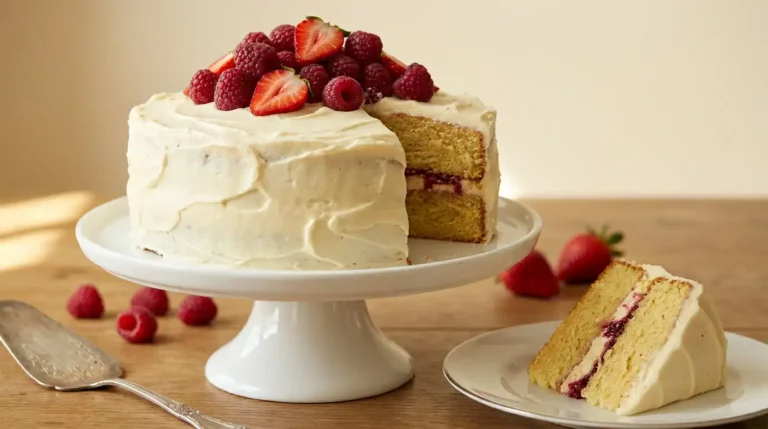
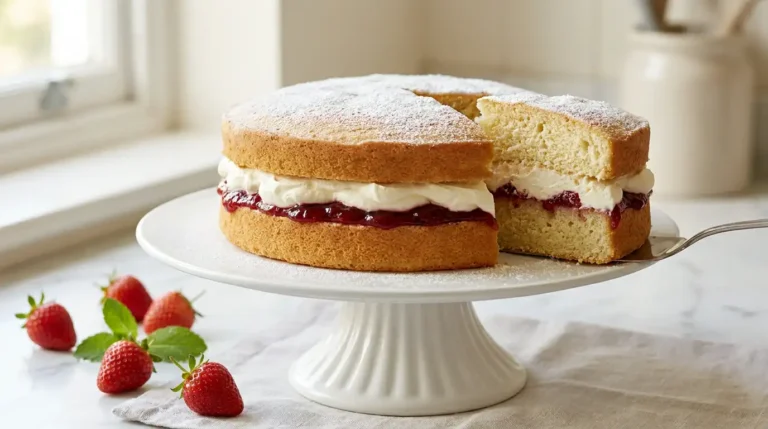
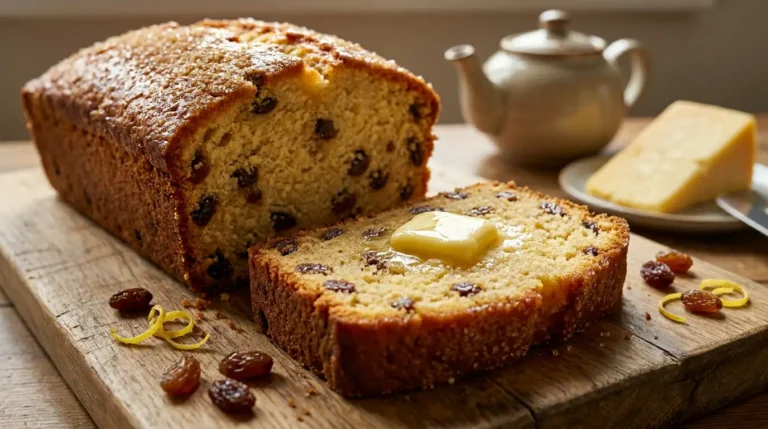
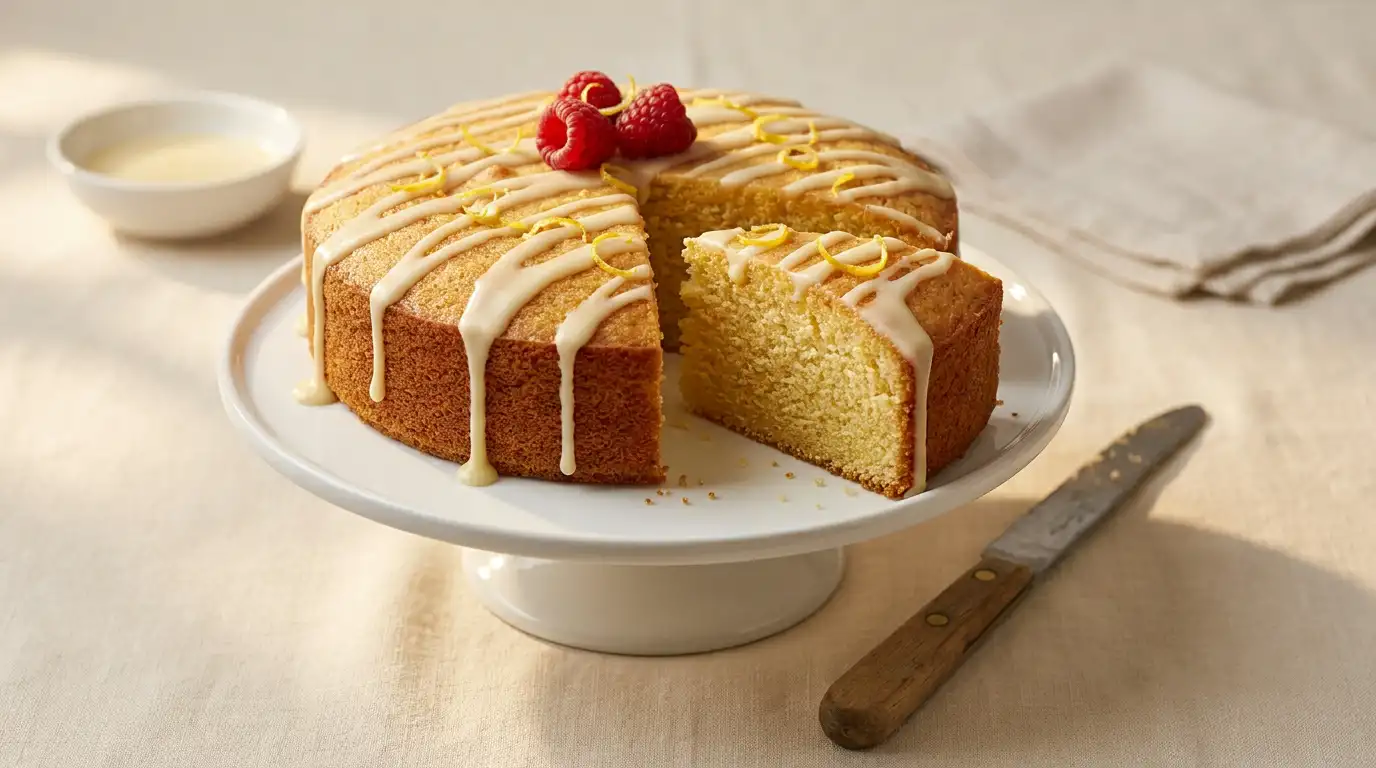
This yoghurt cake has a close, moist crumb with a lightly golden crust and a gentle tang that keeps each slice from tasting too sweet. The texture is somewhere between a classic Victoria sponge and a pound cake, tender throughout and sliceable even when completely cold. It holds together well, making it easy to serve at a table or pack for a picnic. This version of the Mary Berry yoghurt cake recipe uses plain full-fat yoghurt to keep the batter smooth and the finished sponge reliably soft. From mixing bowl to oven to table, it takes around 55 minutes in total.
Ingredients
For the sponge
- 175g plain full-fat yoghurt
- 175g caster sugar
- 175g self-raising flour
- 100ml sunflower oil or a light vegetable oil
- 2 large eggs, at room temperature
- 1 tsp vanilla extract
- 1 tsp baking powder
- Zest of 1 unwaxed lemon
To finish
- 2 tbsp icing sugar, sifted
- 1 tsp lemon juice
How to Make Mary Berry Yoghurt Cake Recipe
- Preheat and prepare: Heat the oven to 180°C (160°C fan, gas mark 4). Grease a 20cm round cake tin and line the base with baking paper, pressing it flat so the batter sits level.
- Mix the wet ingredients: In a large bowl, whisk together the yoghurt, oil, eggs, and vanilla extract until smooth and evenly combined. This takes about one minute by hand with a balloon whisk.
- Add the sugar and zest: Stir in the caster sugar and lemon zest, mixing until the sugar has dissolved slightly into the liquid mixture. The batter will look pale yellow and smell faintly citrusy at this point.
- Fold in the dry ingredients: Sift the self-raising flour and baking powder directly into the bowl, then fold gently using a large spoon or spatula until just combined. This preserves the light structure the baking powder creates once the batter hits the oven, so do not beat or overwork it.
- Pour and level: Transfer the batter into the prepared tin and use the back of a spoon to level the surface. The mixture will be slightly thicker than a standard sponge batter but still pourable.
- Bake: Place on the middle shelf of the oven and bake for 30 to 35 minutes, until the top is a warm golden colour and a skewer inserted into the centre comes out clean.
- Cool in the tin: Leave the cake in the tin for 10 minutes before turning out onto a wire rack. Removing it too soon can cause the edges to crumble, so patience here makes a difference.
- Add the glaze: Mix the sifted icing sugar with the lemon juice to make a thin, pourable glaze. Drizzle it over the top of the cooled cake and leave for a few minutes to set before slicing.
Tips for the Best Mary Berry Yoghurt Cake
Why is my yoghurt cake dense rather than light?
Overmixing the flour into the wet batter develops the gluten and tightens the crumb. Fold until the flour has just disappeared and stop, even if a few small streaks remain at the edges of the bowl.
Why did the top of my yoghurt cake crack down the middle?
A crack across the top usually means the oven temperature was slightly too high. Check your oven runs true to temperature with a thermometer, and drop to 155°C fan next time if the crack is deep.
How do I stop the base of my cake from becoming soggy?
Always line the tin base with baking paper rather than just greasing it. A greased-only base traps steam between the tin and the sponge, which softens the bottom during cooling.
Why does my yoghurt cake taste floury even when it looks fully baked?
The baking powder has not had enough time to work through the crumb. Make sure the oven is fully up to temperature before the tin goes in, as a cold start leaves the raising agents working too slowly.
How do I get the glaze to sit on top rather than run off the sides?
The cake must be fully cold before glazing. A warm sponge thins the glaze immediately on contact and it slides off before setting. Allow at least 30 minutes on the rack after the tin.
Serving Suggestions
- Serve at room temperature with a small bowl of fresh berries alongside, particularly raspberries or blueberries, whose sharpness balances the mild sweetness of the sponge.
- Dust with a little extra icing sugar just before serving if the glaze has soaked in during storage.
- Pair with a pot of Earl Grey or a light Darjeeling tea for an afternoon serving, as the bergamot complements the lemon in the cake.
- Spread a thin layer of lemon curd across each slice on the plate for a slightly sharper finish, especially when serving as a pudding after a light main course.
- Cut into fingers rather than wedges for a party table or a packed lunch, as the firm crumb holds its shape well once sliced.
Storage
Room temperature
Store the cooled, glazed cake in an airtight tin or container at room temperature for up to 3 days.
Refrigerator
Wrap the cake tightly in cling film or place in a sealed container and refrigerate for up to 5 days. Remove it from the fridge at least 20 minutes before serving, as chilling firms the crumb and it tastes significantly better once it has returned to room temperature.
Freezing
Freeze the cake un-glazed, wrapped in a double layer of cling film and then placed inside a freezer bag, for up to 2 months. Defrost overnight at room temperature on a wire rack, then add the lemon glaze once fully thawed.
Nutrition
- Calories: 285 kcal
- Carbohydrates: 38g
- Protein: 5g
- Fat: 13g
- Saturated Fat: 2g
- Sodium: 160mg
Nutrition values are estimates based on standard ingredient brands and may vary depending on the specific products used and the size of each serving.
FAQs
Can I use Greek yoghurt instead of plain yoghurt in this recipe?
Yes, Greek yoghurt works well and produces a slightly denser, more moist crumb. Use the same quantity but stir it well before measuring, as it can be stiffer than plain yoghurt and harder to combine with the other wet ingredients.
Can I make this yoghurt cake without the lemon zest?
The lemon zest is optional rather than essential. Leaving it out gives a plainer, more vanilla-forward sponge. Orange zest or a pinch of ground cardamom can replace it if a different flavour is preferred.
Can I double this recipe to make a larger cake?
The recipe doubles cleanly. Use a 23cm tin instead of a 20cm tin and increase the baking time by around 10 minutes, checking with a skewer from 40 minutes onwards to avoid overbaking.
Can I make this yoghurt cake ahead of time for a party?
The un-glazed cake can be baked up to two days ahead and stored in an airtight container at room temperature. Add the lemon glaze on the morning of serving so it looks fresh and set when the cake reaches the table.
Can I use butter instead of oil in this yoghurt cake?
Oil is recommended here because it keeps the crumb moist for longer than butter does. If butter is the only option, use 100g of unsalted butter melted and cooled slightly, but be aware the cake will begin to dry out more quickly after day one.
Conclusion
This Mary Berry yoghurt cake recipe delivers a reliably tender, lightly tangy sponge with very little effort. The oil-based batter comes together in one bowl, the baking time is short, and the lemon glaze adds a clean, bright finish without needing any piping or layering. Made in a 20cm tin, the recipe yields 8 generous slices, or up to 10 smaller ones if cut for a larger gathering.
It is the kind of bake that suits a Tuesday afternoon as much as a weekend tea table. The crumb stays moist for several days, which makes it worth baking ahead. If this recipe has been useful, share it with someone who bakes, or leave a comment below with how yours turned out. If you enjoyed this, you might also like the Mary Berry Chocolate Mousse Cake Recipe for something a little richer and suited to a special occasion.
Mary Berry Yoghurt Cake Recipe
Course: DessertCuisine: BritishDifficulty: Easy8
servings20
minutes35
minutes285
kcal55
minutesA moist, tender sponge made with plain yoghurt, sunflower oil, and lemon zest. This one-bowl yoghurt cake has a close, golden crumb with a gentle tang and a simple lemon glaze on top.
Ingredients
175g plain full-fat yoghurt
175g caster sugar
175g self-raising flour
100ml sunflower oil or a light vegetable oil
2 large eggs, at room temperature
1 tsp vanilla extract
1 tsp baking powder
Zest of 1 unwaxed lemon
2 tbsp icing sugar, sifted
1 tsp lemon juice
Instructions
- Heat the oven to 180C (160C fan, gas mark 4). Grease a 20cm round cake tin and line the base with baking paper.
- In a large bowl, whisk together the yoghurt, oil, eggs, and vanilla extract until smooth and evenly combined.
- Stir in the caster sugar and lemon zest, mixing until the sugar has dissolved slightly into the liquid mixture.
- Sift the self-raising flour and baking powder directly into the bowl, then fold gently using a large spoon or spatula until just combined.
- Transfer the batter into the prepared tin and use the back of a spoon to level the surface.
- Place on the middle shelf of the oven and bake for 30 to 35 minutes, until the top is a warm golden colour and a skewer inserted into the centre comes out clean.
- Leave the cake in the tin for 10 minutes before turning out onto a wire rack to cool completely.
- Mix the sifted icing sugar with the lemon juice to make a thin glaze and drizzle over the cooled cake. Leave for a few minutes to set before slicing.
Notes
- Fold the flour gently and stop as soon as it disappears to avoid a dense crumb.
- Check your oven temperature with a thermometer if the top cracks deeply.
- Always line the tin base with baking paper to prevent a soggy bottom.
- Make sure the oven is fully preheated before the tin goes in.
- The cake must be completely cold before adding the glaze.
- Freeze un-glazed and add the lemon glaze after defrosting.