Mary Berry Orange And Lemon Cake Recipe
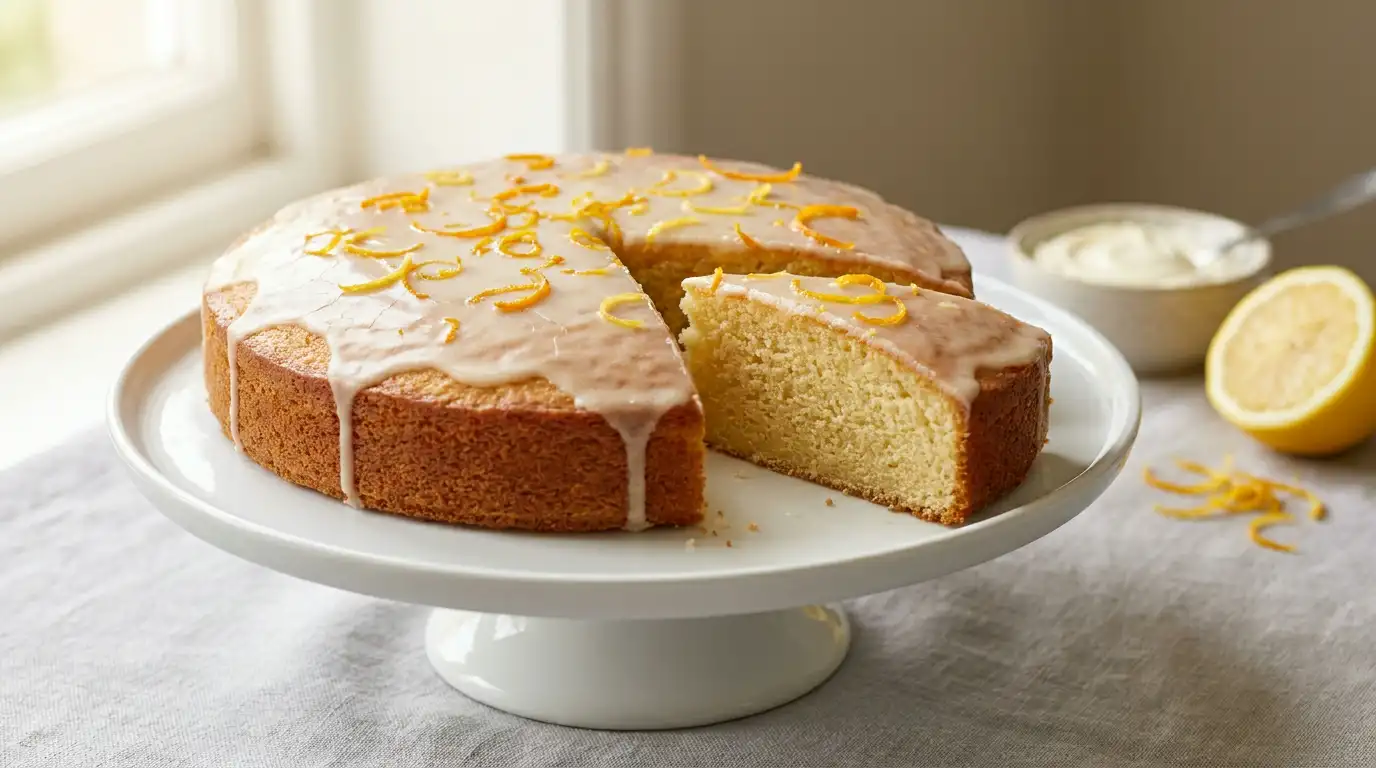
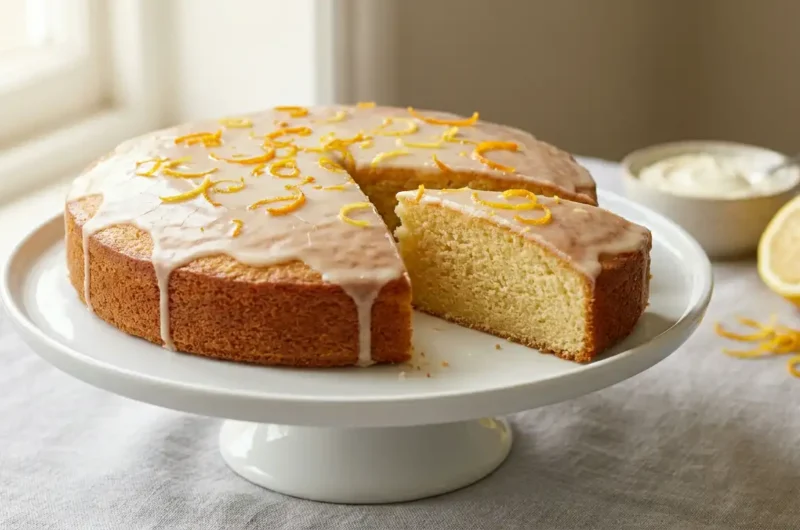
This Mary Berry orange and lemon cake is a light, citrus-scented sponge with a tender, close crumb and a sharp, glossy drizzle icing that sets into a thin, crackled finish. The combination of fresh orange and lemon zest runs through every layer, giving the cake a bright, clean flavour that feels refreshing rather than heavy. It is the kind of bake that suits a weekday treat just as well as a weekend tea table. From start to finish, it is ready in around 1 hour and 15 minutes.
Ingredients
For the sponge
- 175g unsalted butter, softened
- 175g caster sugar
- 3 large eggs, at room temperature
- 175g self-raising flour, sifted
- 1 tsp baking powder
- Zest of 1 large orange
- Zest of 1 large lemon
- 2 tbsp fresh orange juice
- 1 tbsp fresh lemon juice
For the drizzle icing
- 150g icing sugar, sifted
- 2 tbsp fresh orange juice
- 1 tbsp fresh lemon juice
To finish
- Zest of half an orange, finely pared or grated, to decorate
- Zest of half a lemon, finely pared or grated, to decorate
How to Make Mary Berry Orange And Lemon Cake
- Heat the oven and prepare the tin: Set the oven to 180C (160C fan, Gas 4). Grease a 20cm round cake tin thoroughly and line the base with baking parchment, so the sponge releases cleanly once baked.
- Cream the butter and sugar: Beat the softened butter and caster sugar together in a large bowl until the mixture turns pale, noticeably lighter in colour, and fluffy in texture. This usually takes around 3 to 4 minutes with an electric hand mixer.
- Add the eggs gradually: Beat in the eggs one at a time, adding a tablespoon of the measured flour with each egg to keep the mixture stable and prevent it from curdling.
- Fold in the flour and citrus: Sift in the remaining self-raising flour and baking powder, then fold through gently using a large metal spoon. Add the orange zest, lemon zest, orange juice, and lemon juice, folding until the batter is just smooth with no dry patches remaining.
- Transfer to the tin: Spoon the batter into the prepared tin and level the surface with the back of a spoon or a small palette knife, so the cake bakes evenly rather than doming on one side.
- Bake the sponge: Place on the middle shelf of the oven and bake for 30 to 35 minutes. The cake is ready when it has pulled slightly away from the sides of the tin and a skewer inserted into the centre comes out clean.
- Cool in the tin: Leave the sponge in the tin for 10 minutes before turning it out onto a wire rack. Allow it to cool completely before icing, as a warm sponge will absorb the drizzle rather than letting it set on the surface.
- Make the drizzle icing: Stir the sifted icing sugar with the orange and lemon juice until completely smooth. The consistency should be thick enough to coat the back of a spoon but still pourable, this ensures it runs down the sides in thin, attractive ribbons rather than sitting in a dense pool.
- Ice and decorate: Set the cooled cake on a wire rack over a sheet of baking parchment. Pour the icing slowly over the top, allowing it to drip naturally down the sides. Scatter the fresh citrus zest over the surface before the icing sets.
Tips for the Best Mary Berry Orange And Lemon Cake
Why does my drizzle icing sink into the sponge instead of setting on top?
The cake was not fully cool before icing. A warm sponge opens its structure and drinks in the liquid, leaving no visible glaze on the surface. Wait until the cake is completely cold, with no warmth at all when you touch the base.
Why is my orange and lemon cake sponge dense rather than light?
Overmixing after the flour goes in develops too much gluten, which tightens the crumb. Fold the flour in using slow, wide strokes and stop as soon as the batter looks smooth, even if a very faint streak of flour still shows at the edge.
How do I stop the top of my cake browning too quickly before the centre is cooked?
Loosely lay a piece of foil over the tin after 20 minutes if the surface is already a deep golden colour. This slows the surface browning without trapping steam, so the sponge continues to bake through evenly.
Why did my icing sugar clump in the drizzle instead of dissolving smoothly?
Always sift the icing sugar before adding the juice. Lumps that form before the liquid is added will not dissolve, and the resulting drizzle will have a grainy, uneven texture once it sets.
Why does my cake have a peaked, cracked top rather than a flat surface?
The oven temperature was too high, causing the outside of the sponge to set before the interior had risen fully. Always use an oven thermometer to verify the temperature, as many domestic ovens run hotter than the dial suggests.
Serving Suggestions
- Serve in thick slices alongside a pot of Earl Grey tea, the bergamot in the tea echoes the citrus notes in the cake.
- Arrange on a white cake stand at room temperature for an afternoon tea spread, with the pared zest curled on top for a tidy, finished look.
- Pair with a spoonful of crème fraîche on the side to balance the sweetness of the icing.
- Offer thin slices with a small glass of elderflower cordial for a light, summery dessert course.
- Dust lightly with extra icing sugar just before serving if the drizzle glaze has fully soaked in, to restore the neat, pale finish.
Storage
Room temperature
Keep the cake in an airtight container at room temperature for up to 3 days, and it will stay moist and hold its flavour well throughout.
Refrigerator
If the kitchen is particularly warm, store the cake covered in the refrigerator for up to 5 days. Bring it back to room temperature for at least 30 minutes before serving, as the cold firms the crumb and mutes the citrus aroma.
Freezing
Wrap individual slices or the whole un-iced sponge tightly in cling film, then place inside a freezer bag and freeze for up to 2 months. Defrost at room temperature for 2 to 3 hours, then apply the drizzle icing freshly once thawed.
Nutrition
- Calories: 340 kcal
- Carbohydrates: 46g
- Protein: 4g
- Fat: 16g
- Saturated Fat: 9g
- Sodium: 130mg
Nutrition values are estimates based on standard ingredient quantities and may vary depending on the specific brands used and the size of each slice.
FAQs
Can I use bottled citrus juice instead of fresh oranges and lemons?
Fresh juice gives the sharpest, cleanest flavour in both the sponge and the drizzle. Bottled juice often contains preservatives that can make the icing slightly cloudy and the taste muted, so fresh fruit is worth the small extra effort here.
Can I make this cake the day before I need it?
Yes, and it actually improves overnight. The citrus zest in the sponge has more time to release its oils into the crumb, deepening the flavour. Store it iced and covered at room temperature and it will be in peak condition the next day.
What size tin works best for this orange and lemon cake recipe?
A 20cm round tin gives the best depth and bake time for these quantities. A larger tin will produce a flatter sponge that may overbake around the edges before the centre sets, so it is best to stick with 20cm.
Can I use salted butter instead of unsalted in the sponge?
Salted butter can be used in a pinch, but it introduces an inconsistent amount of salt that can slightly sharpen the flavour in an uneven way. If salted is all that is available, simply omit any extra salt and proceed as normal.
Can I make this into a two-layer sandwich cake with a filling?
Yes. Divide the batter evenly between two 20cm tins and reduce the baking time to around 22 to 25 minutes. Sandwich the cooled layers with lemon curd or a citrus buttercream, then pour the drizzle icing over the assembled cake.
Conclusion
This Mary Berry orange and lemon cake delivers a genuinely bright, citrus-forward bake with very little fuss. The drizzle icing sets into a clean, sharp glaze that complements the tender sponge underneath, and the whole cake comes together with ingredients most home kitchens already have. This recipe yields approximately 8 to 10 slices, making it a practical size for a family or a small gathering.
If this recipe worked well for you, leave a comment below with how it turned out, or share it with someone who enjoys a classic citrus bake. For another brilliant citrus dessert from the same tradition, you might also enjoy the Mary Berry easy lemon meringue pie recipe, a beautifully reliable bake with a crisp, golden meringue topping and a sharp lemon curd filling.
Mary Berry Orange And Lemon Cake Recipe
Course: DessertCuisine: BritishDifficulty: Easy10
servings20
minutes35
minutes340
kcal1
hour15
minutesA light, citrus-scented sponge with a tender, close crumb and a sharp, glossy drizzle icing that sets into a thin, crackled finish. Fresh orange and lemon zest runs through every layer, giving the cake a bright, clean flavour perfect for afternoon tea or a weekend treat.
Ingredients
175g unsalted butter, softened
175g caster sugar
3 large eggs, at room temperature
175g self-raising flour, sifted
1 tsp baking powder
zest of 1 large orange
zest of 1 large lemon
2 tbsp fresh orange juice
1 tbsp fresh lemon juice
150g icing sugar, sifted
2 tbsp fresh orange juice (for drizzle)
1 tbsp fresh lemon juice (for drizzle)
zest of half an orange to decorate
zest of half a lemon to decorate
Instructions
- Set the oven to 180C (160C fan, Gas 4). Grease a 20cm round cake tin and line the base with baking parchment.
- Beat the softened butter and caster sugar together until pale, light, and fluffy, around 3 to 4 minutes with an electric hand mixer.
- Beat in the eggs one at a time, adding a tablespoon of the measured flour with each egg to keep the mixture stable.
- Sift in the remaining self-raising flour and baking powder, then fold through gently. Add the orange zest, lemon zest, orange juice, and lemon juice, folding until the batter is just smooth.
- Spoon the batter into the prepared tin and level the surface with the back of a spoon or a small palette knife.
- Bake on the middle shelf for 30 to 35 minutes until the sponge has pulled away from the sides and a skewer inserted into the centre comes out clean.
- Leave the sponge in the tin for 10 minutes before turning out onto a wire rack. Allow to cool completely before icing.
- Stir the sifted icing sugar with the orange and lemon juice until completely smooth and pourable.
- Set the cooled cake on a wire rack over baking parchment. Pour the icing slowly over the top, allowing it to drip down the sides, then scatter fresh citrus zest over the surface before the icing sets.
Notes
- Always allow the cake to cool completely before adding the drizzle icing or it will absorb into the sponge.
- Use fresh orange and lemon juice rather than bottled for the brightest, sharpest flavour.
- Fold the flour in gently to avoid a dense crumb, stop as soon as the batter looks smooth.
- Use an oven thermometer to verify temperature as many domestic ovens run hotter than the dial shows.
- Sift the icing sugar before mixing with juice to prevent a grainy or lumpy drizzle.
- The cake improves overnight as the citrus zest releases more flavour into the crumb.