Mary Berry Boiled Fruit Cake Recipe
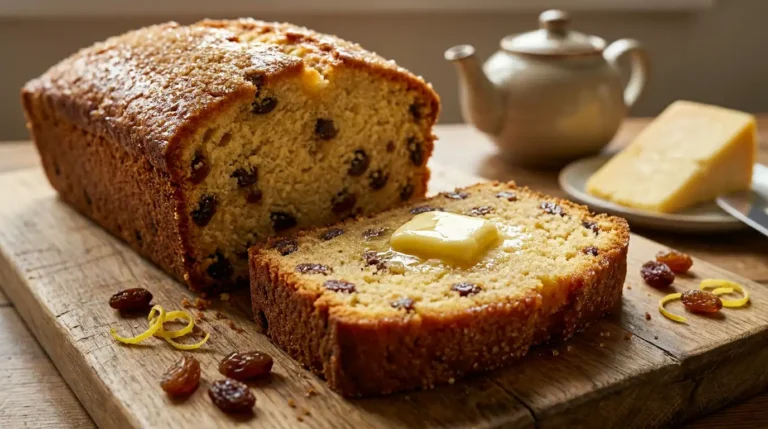
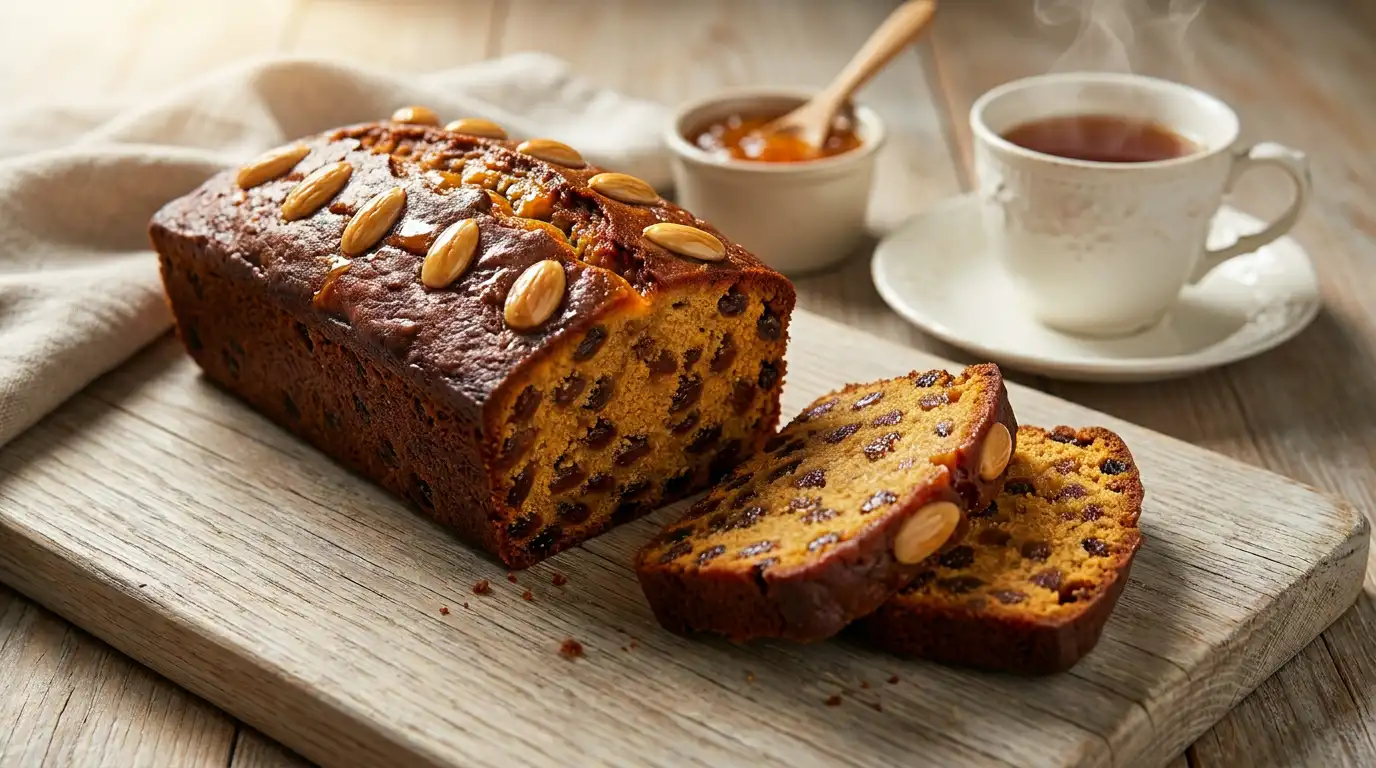
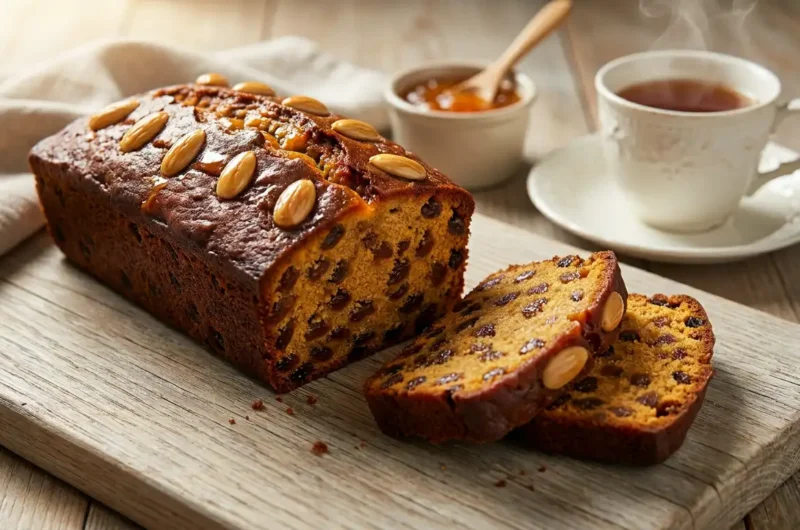
This boiled fruit cake is a dense, moist loaf packed with plump, tender dried fruit suspended in a deep amber, lightly spiced sponge. The crust has a gentle firmness while the crumb inside stays soft and close-textured, with a warm treacle-like colour all the way through. What sets this method apart is boiling the fruit with butter and sugar before mixing, which softens every piece of fruit and draws it into the batter for a strikingly even result. It suits everything from a quiet afternoon tea to a tin on the counter during the Christmas period. From start to finish, it is ready in around 2 hours.
No special equipment is needed beyond a large saucepan and a standard loaf tin. The method is forgiving and straightforward, which makes it a reliable choice even for those who do not bake regularly. The boiling stage also means the fruit never sinks to the bottom, which is one of the most common frustrations with traditional fruit cake recipes.
Ingredients
For the cake
- 350g mixed dried fruit (sultanas, raisins, and currants)
- 75g glacé cherries, halved and rinsed
- 150g unsalted butter, cut into cubes
- 150g soft dark brown sugar
- 150ml cold water
- 2 large eggs, beaten
- 225g self-raising flour
- 1 tsp mixed spice
- ½ tsp ground cinnamon
- ¼ tsp bicarbonate of soda
- 1 tbsp black treacle
To finish
- 2 tbsp apricot jam, warmed and sieved (optional glaze)
- A small handful of whole blanched almonds (optional topping)
How to Make Mary Berry Boiled Fruit Cake
- Prepare the tin: Grease a 900g (2lb) loaf tin thoroughly and line it with a double layer of baking parchment, making sure the paper comes slightly above the rim of the tin. Preheat the oven to 150°C (130°C fan, Gas Mark 2).
- Boil the fruit mixture: Place the mixed dried fruit, glacé cherries, butter, dark brown sugar, and cold water together in a large, heavy-bottomed saucepan. Set over a medium heat and stir gently until the butter has melted and the sugar has fully dissolved. Bring just to the boil, then reduce the heat and simmer for 5 minutes, stirring occasionally. This brief boil plumps the fruit and allows it to absorb the buttery syrup, which is what gives the finished cake its characteristic moistness. Remove from the heat and leave to cool for at least 20 minutes.
- Mix in the wet ingredients: Once the fruit mixture is warm but no longer hot to the touch, stir in the black treacle until it is evenly dispersed. Add the beaten eggs and stir well to combine. Adding the eggs once the mixture has cooled prevents them from scrambling in the residual heat.
- Add the dry ingredients: Sift the self-raising flour, mixed spice, ground cinnamon, and bicarbonate of soda directly into the saucepan. Using a large wooden spoon or spatula, fold everything together with a steady, gentle motion until no dry patches of flour remain. The batter will be quite thick and heavily loaded with fruit.
- Fill the tin and add the topping: Spoon the batter into the prepared loaf tin and level the surface with the back of the spoon. If using, arrange the blanched almonds in a row along the top. This gives a traditional appearance and adds a subtle crunch to the finished crust.
- Bake the cake: Place the tin on the middle shelf of the preheated oven and bake for 1 hour 30 minutes to 1 hour 45 minutes. The cake is ready when a fine skewer inserted into the centre comes out clean and the top is a deep, even golden brown. If the top begins to colour too quickly after the first hour, lay a sheet of baking parchment loosely over the tin.
- Cool and glaze: Leave the cake to cool in the tin for 15 minutes before lifting it out onto a wire rack. If glazing, brush the warm apricot jam over the top while the cake is still slightly warm so it sinks in gently and sets to a light sheen. Leave to cool completely before slicing.
Tips for the Best Mary Berry Boiled Fruit Cake
Why is my boiled fruit cake still wet in the centre after the baking time?
A heavy fruit load and dense batter hold heat differently to a standard sponge. If the skewer comes out with wet crumbs still attached, return the cake to the oven for a further 10 to 15 minutes and test again. Make sure the oven temperature is accurate, as fan ovens can vary by 10 to 20 degrees.
Why has the top of my cake cracked down the middle?
A crack along the centre of a loaf cake is completely normal and expected. It forms as the outer crust sets while the interior continues to expand during baking. It does not indicate a problem with the recipe or technique.
Why did my fruit sink to the bottom of the cake?
With the boiled method, sinking fruit is far less likely because the butter and sugar coating weighs the fruit evenly throughout the batter. If it does occur, the batter was most likely too loose, which can happen if the eggs were very large or the fruit was not drained well after rinsing.
How do I stop the outside of the cake burning before the centre is cooked?
A low, slow oven is the key to an evenly baked fruit cake. If the outside is colouring too quickly at any point, cover the tin loosely with a double sheet of baking parchment. Do not use foil, as it can cause moisture to collect and soften the crust unevenly.
Why does my cake feel sticky on the surface after cooling?
A slightly tacky surface is normal with a dark, treacle-rich cake and is caused by the high sugar content in the fruit and the brown sugar itself. Store the cake wrapped in parchment and then in an airtight tin, which allows it to settle and firm up over 24 hours.
Serving Suggestions
- Slice into even pieces and serve at room temperature alongside a pot of strong Assam or Yorkshire tea.
- Spread a thin layer of salted butter over each slice for a richer, more indulgent finish.
- Serve as part of an afternoon tea spread alongside plain scones and a simple sandwich selection.
- Present whole on a board dusted lightly with icing sugar for a modest celebration or Christmas table centrepiece.
- Pair with a small wedge of mature Cheddar on a cheeseboard for a traditional British finish after a Sunday meal.
Storage
Room temperature
Wrap the cooled cake tightly in baking parchment and store in an airtight tin at room temperature for up to 5 days.
Refrigerator
Wrap in a double layer of clingfilm and refrigerate for up to 2 weeks. Remove the cake from the fridge at least 30 minutes before serving and allow it to return to room temperature, as the cold causes the crumb to firm up and the full flavour is best at room temperature.
Freezing
Wrap individual slices or the whole cake in clingfilm, then in a layer of kitchen foil, and freeze for up to 3 months. Defrost at room temperature for 4 to 6 hours, still wrapped, to prevent the surface from becoming damp.
Nutrition
- Calories: 320 kcal
- Carbohydrates: 52g
- Protein: 4g
- Fat: 11g
- Saturated Fat: 6g
- Sodium: 180mg
Nutrition values are estimates based on standard ingredient brands and may vary depending on the specific products used and the exact serving size cut.
FAQs
Can I use mixed dried fruit from a packet or do I need to weigh it out separately?
A ready-mixed packet of dried fruit works very well here and is the most convenient option. Just make sure the mix contains predominantly sultanas, raisins, and currants rather than large pieces of citrus peel, as a heavy peel content can make the flavour sharper than intended.
Can I make this boiled fruit cake without treacle?
The treacle adds depth of colour and a faint bittersweet note, but it can be replaced with the same quantity of golden syrup or dark honey. The resulting cake will be slightly lighter in colour and a touch sweeter, but the texture will be very similar.
Can I bake this in a round tin instead of a loaf tin?
Yes, a 20cm round cake tin works well. The baking time may be slightly shorter, so begin checking from 1 hour 15 minutes. The cake will have a broader, shallower shape and a slightly firmer top crust.
Can I make this boiled fruit cake in advance for Christmas?
This cake actually improves with time as the fruit continues to absorb moisture and the spices mellow. Bake it up to 2 weeks ahead and store it wrapped tightly in parchment inside an airtight tin. For a richer result, pierce the base a few times with a skewer and spoon over a tablespoon of brandy or orange juice once it has cooled completely.
Can I double this recipe to make a larger cake?
The recipe doubles reliably. Use a 23cm round deep tin or a large 1.5kg loaf tin. Extend the baking time by roughly 20 to 30 minutes and check with a skewer before removing from the oven, as oven temperatures vary and a larger cake holds more heat through the centre.
Conclusion
The Mary Berry boiled fruit cake recipe is a dependable, no-fuss bake that delivers a consistently moist, flavourful result every time. The method of simmering the fruit in butter and sugar before baking sets it apart from most traditional fruit cake recipes, removing the guesswork around fruit sinking or dry crumb. This recipe yields approximately 10 to 12 slices from a standard 900g loaf tin, making it well suited to a family or a small gathering.
Whether it is enjoyed as a simple weekday slice with tea or dressed up lightly for a celebration, the finished cake holds its quality for days. If this recipe was useful, feel free to share it with anyone who enjoys classic British baking. Leave a comment below if there is a variation you have tried or a question about the method. If you enjoyed this, you might also like the Mary Berry potato salad recipe, another reliable, straightforward recipe for any occasion.
Mary Berry Boiled Fruit Cake Recipe
Course: DessertCuisine: BritishDifficulty: Easy12
servings20
minutes1
hour45
minutes320
kcal2
hours5
minutesA dense, moist loaf packed with plump dried fruit in a deep amber, lightly spiced sponge. Made using a foolproof boiling method that keeps the fruit tender and evenly distributed throughout the crumb.
Ingredients
350g mixed dried fruit (sultanas, raisins, and currants)
75g glacé cherries, halved and rinsed
150g unsalted butter, cut into cubes
150g soft dark brown sugar
150ml cold water
2 large eggs, beaten
225g self-raising flour
1 tsp mixed spice
½ tsp ground cinnamon
¼ tsp bicarbonate of soda
1 tbsp black treacle
2 tbsp apricot jam, warmed and sieved (optional glaze)
a small handful of whole blanched almonds (optional topping)
Instructions
- Grease a 900g (2lb) loaf tin thoroughly and line it with a double layer of baking parchment, making sure the paper comes slightly above the rim of the tin. Preheat the oven to 150°C (130°C fan, Gas Mark 2).
- Place the mixed dried fruit, glacé cherries, butter, dark brown sugar, and cold water together in a large, heavy-bottomed saucepan. Set over a medium heat and stir gently until the butter has melted and the sugar has fully dissolved. Bring just to the boil, then reduce the heat and simmer for 5 minutes, stirring occasionally. Remove from the heat and leave to cool for at least 20 minutes.
- Once the fruit mixture is warm but no longer hot to the touch, stir in the black treacle until evenly dispersed. Add the beaten eggs and stir well to combine.
- Sift the self-raising flour, mixed spice, ground cinnamon, and bicarbonate of soda directly into the saucepan. Using a large wooden spoon or spatula, fold everything together with a steady, gentle motion until no dry patches of flour remain.
- Spoon the batter into the prepared loaf tin and level the surface with the back of the spoon. If using, arrange the blanched almonds in a row along the top.
- Place the tin on the middle shelf of the preheated oven and bake for 1 hour 30 minutes to 1 hour 45 minutes. If the top begins to colour too quickly after the first hour, lay a sheet of baking parchment loosely over the tin.
- Leave the cake to cool in the tin for 15 minutes before lifting it out onto a wire rack. If glazing, brush the warm apricot jam over the top while the cake is still slightly warm. Leave to cool completely before slicing.
Notes
- Cool the boiled fruit mixture for at least 20 minutes before adding eggs to prevent scrambling.
- A skewer inserted into the centre should come out clean when the cake is fully baked.
- Cover the tin loosely with baking parchment if the top colours too quickly during baking.
- A crack along the centre of the loaf is completely normal and expected.
- The cake improves in flavour over 24 hours as the fruit continues to absorb moisture.
- For a richer finish, pierce the base and spoon over a tablespoon of brandy once cooled.