Mary Berry Light Farmhouse Fruit Cake Recipe
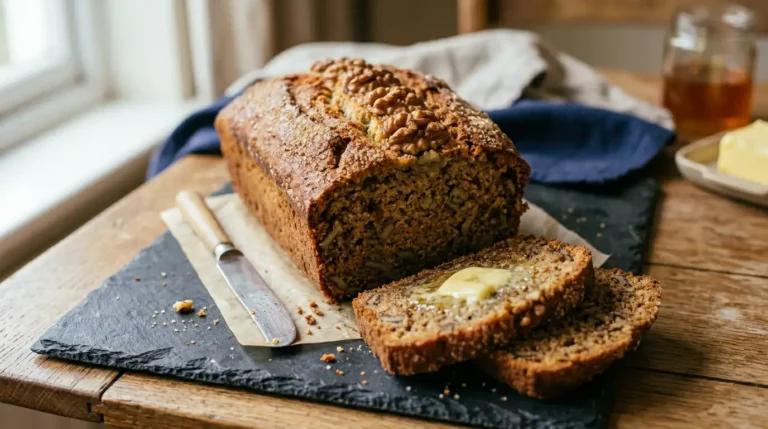
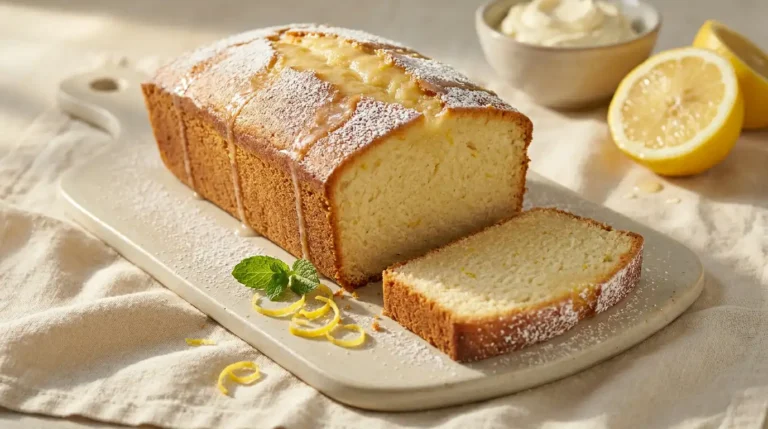
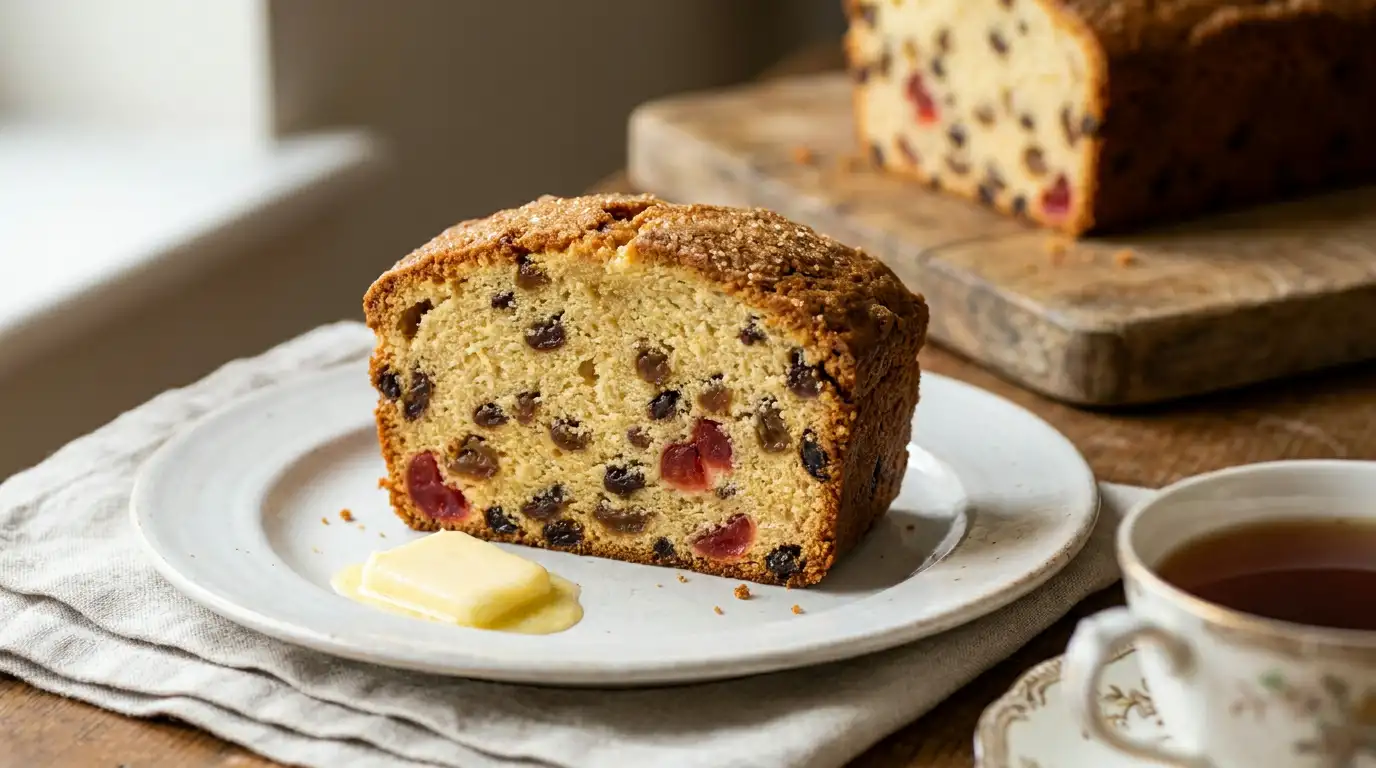
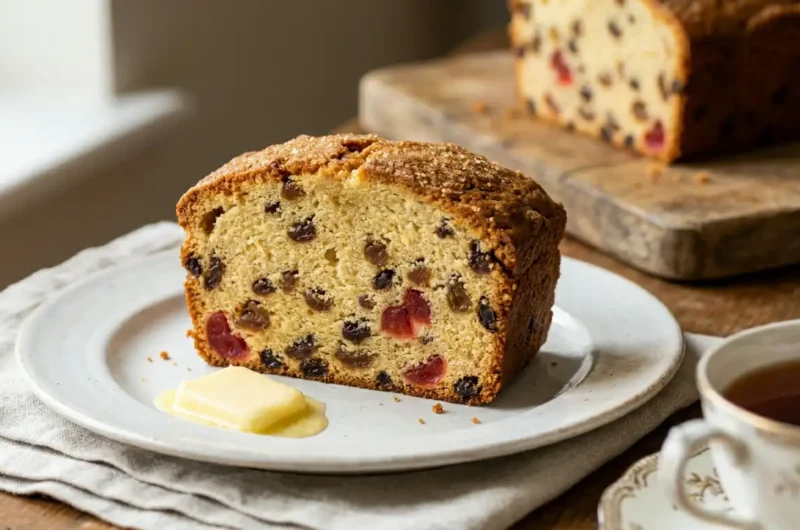
This Mary Berry light farmhouse fruit cake is a golden, close-textured loaf packed with plump mixed dried fruit that softens into the crumb as it bakes. The crust develops a pale amber colour, the inside stays moist without being dense, and every slice carries a warm, subtly spiced aroma that fills the kitchen from about halfway through the bake.
What sets this version apart is the balance between simplicity and reliability. The method is straightforward enough for a first-time cake baker, yet the result is the kind of fruit cake that holds together cleanly when sliced, keeps well through the week, and suits everything from an everyday afternoon tea to a Sunday gathering. From mixing bowl to cooling rack, the whole process takes around 1 hour 45 minutes.
Ingredients
For the cake
- 175g unsalted butter, softened at room temperature
- 175g caster sugar
- 3 large eggs, at room temperature
- 225g self-raising flour, sifted
- 1 tsp baking powder
- 1 tsp mixed spice
- ½ tsp ground cinnamon
- 2 tbsp whole milk
- 350g mixed dried fruit (sultanas, currants, raisins combined)
- 50g glacé cherries, rinsed, dried, and halved
- 50g mixed peel, roughly chopped
- Zest of 1 unwaxed lemon
To finish
- 1 tbsp demerara sugar, for sprinkling
How to Make Mary Berry Light Farmhouse Fruit Cake
- Prepare the oven and tin: Heat the oven to 160°C (140°C fan, Gas Mark 3). Grease a 900g (2lb) loaf tin thoroughly and line the base and sides with baking parchment, leaving a small overhang at the top to help with lifting later.
- Cream the butter and sugar: Beat the softened butter and caster sugar together in a large mixing bowl until the mixture turns pale and noticeably fluffy, around 3 to 4 minutes with an electric hand whisk. This stage builds the light texture of the finished cake, so do not rush it.
- Add the eggs: Beat in the eggs one at a time, adding a tablespoon of the measured flour with each addition to prevent the mixture from curdling. Mix well between each egg until the batter looks smooth and glossy.
- Fold in the flour and spices: Tip in the remaining sifted flour, baking powder, mixed spice, and cinnamon. Using a large metal spoon or spatula, fold the dry ingredients through the batter with gentle cutting movements, keeping as much air in the mixture as possible.
- Add the milk and fruit: Stir in the milk to loosen the batter slightly, then fold in the mixed dried fruit, glacé cherries, mixed peel, and lemon zest. The mixture should fall from the spoon with a reluctant drop when tapped, not run freely; if it seems stiff, add a little extra milk a teaspoon at a time.
- Transfer and level the batter: Spoon the mixture evenly into the prepared loaf tin and smooth the surface with the back of a wet spoon. Scatter the demerara sugar across the top in an even layer; this gives a lightly crunchy, golden crust once baked.
- Bake the cake: Place the tin on the middle shelf of the oven and bake for 1 hour to 1 hour 15 minutes. The cake is ready when it has risen, is deep golden on top, and a thin skewer inserted into the centre comes out completely clean with no wet batter clinging to it.
- Cool in the tin: Leave the cake to cool in the tin for 15 minutes before lifting it out using the parchment overhang. Transfer to a wire rack and leave to cool completely before slicing, as cutting too early will compress the crumb and make the slice gummy.
Tips for the Best Mary Berry Light Farmhouse Fruit Cake
Why has the fruit sunk to the bottom of my cake?
The batter was likely too thin to support the weight of the fruit. Rinse and thoroughly dry glacé cherries before adding them, as the sticky syrup they are coated in makes them heavy and slippery. Also check that the batter has a thick, dropping consistency before folding in the fruit.
Why is the top of my fruit cake cracking badly?
A small crack along the centre of a loaf cake is completely normal and is caused by the oven spring as the cake rises. If the crack is wide and uneven, the oven temperature may be slightly too high; check with an oven thermometer and reduce by 10°C if needed.
Why does my fruit cake feel dry after baking?
Overbaking is the most common cause. Fruit cakes continue to cook from residual heat once removed from the oven, so pull it out as soon as the skewer test passes. Also make sure the dried fruit was not too dry before use; if sultanas and raisins look very shrivelled, soak them in warm water for 20 minutes and pat dry before using.
How do I stop the top of the cake from browning too fast before the centre is baked through?
If the surface is colouring quickly at the 45-minute mark, lay a loose sheet of foil over the top of the tin for the remainder of the bake. Do not tuck it down, as the steam needs to escape.
Why is the texture of my cake dense and heavy rather than light?
The butter and sugar may not have been beaten for long enough, or the eggs were cold when added. Cold eggs cause the fat to seize and the emulsion to break, which closes the crumb. Always use butter and eggs at room temperature before starting.
Serving Suggestions
- Serve a thick slice alongside a pot of strong Darjeeling or Assam tea for a traditional afternoon serving.
- Spread lightly with good-quality unsalted butter to bring out the warmth of the spiced fruit.
- Cut thinner slices and arrange on a tiered cake stand for a relaxed weekend gathering or birthday tea.
- Dust lightly with icing sugar just before serving to give a clean, simple finish on the plate.
- Pair with a wedge of mature Cheddar for a farmhouse-style combination that balances the sweetness of the fruit.
Storage
Room Temperature
Wrap the cooled cake tightly in baking parchment followed by foil, then store in an airtight tin or container at room temperature for up to 5 days.
Refrigerator
The cake can be kept in the refrigerator, wrapped well in cling film, for up to 10 days. Bring it back to room temperature for at least 30 minutes before serving, as the cold can firm up the crumb and mute the flavour slightly.
Freezing
Slice the cooled cake, wrap each slice individually in cling film, then place the slices in a freezer-safe bag and freeze for up to 3 months. Defrost individual slices at room temperature for about 1 to 2 hours before serving.
Nutrition
- Calories: 320 kcal
- Carbohydrates: 48g
- Protein: 4g
- Fat: 13g
- Saturated Fat: 7g
- Sodium: 140mg
Nutrition values are estimates per slice and may vary depending on the specific ingredients used and the size of each portion.
FAQs
Can I use plain flour instead of self-raising flour in this fruit cake?
Yes, plain flour works fine here. Replace the self-raising flour with 225g plain flour and increase the baking powder to 2 full teaspoons to compensate for the missing raising agents in self-raising flour.
Can I make this fruit cake ahead of time for a special occasion?
This cake actually improves after a day or two, as the dried fruit softens further into the crumb and the spiced flavour deepens. Bake it up to 3 days ahead, wrap it well, and store at room temperature until needed.
Can I add nuts to this farmhouse fruit cake recipe?
Chopped walnuts or blanched almonds work well folded through the batter alongside the fruit. Keep the total weight of any additions (fruit plus nuts) to around 450g so the batter is not overloaded and the texture remains light.
What size tin works best for this recipe?
A standard 900g (2lb) loaf tin gives the best results with these quantities. If you only have a 20cm round cake tin, the bake time will reduce by roughly 10 to 15 minutes, so begin checking at the 50-minute mark with a skewer.
Can I use mixed dried fruit from a bag, or is it better to mix my own?
A ready-mixed bag of dried fruit is perfectly good for this cake and saves time. If you prefer to make your own blend, a mix of sultanas, currants, and raisins in roughly equal parts gives a balanced result, with the raisins adding a slightly deeper, jammy sweetness.
Conclusion
This Mary Berry light farmhouse fruit cake recipe delivers a dependable, golden loaf that is packed with fruit, gently spiced, and moist enough to slice cleanly for days after baking. The method is uncomplicated, the ingredients are straightforward, and the result is the kind of cake that earns a permanent place in any home baker’s repertoire. This recipe makes approximately 10 to 12 good slices from a single 900g loaf tin.
If this recipe has worked well for you, leave a comment below with how it turned out or share it with someone who enjoys a proper fruit cake. For more inspiration from the same baking tradition, you might also like the Mary Berry blackcurrant jam recipe, which pairs beautifully with a plain sponge or as a spread alongside a slice of this farmhouse loaf.
Mary Berry Light Farmhouse Fruit Cake Recipe
Course: DessertCuisine: BritishDifficulty: Easy12
servings30
minutes1
hour15
minutes320
kcal1
hour45
minutesA golden, close-textured loaf packed with plump mixed dried fruit, glacé cherries, and warm spice. This classic British fruit cake is beginner-friendly, slices cleanly, and keeps well through the week.
Ingredients
175g unsalted butter, softened at room temperature
175g caster sugar
3 large eggs, at room temperature
225g self-raising flour, sifted
1 tsp baking powder
1 tsp mixed spice
½ tsp ground cinnamon
2 tbsp whole milk
350g mixed dried fruit (sultanas, currants, raisins combined)
50g glacé cherries, rinsed, dried, and halved
50g mixed peel, roughly chopped
zest of 1 unwaxed lemon
1 tbsp demerara sugar, for sprinkling
Instructions
- Heat the oven to 160°C (140°C fan, Gas Mark 3). Grease a 900g (2lb) loaf tin and line the base and sides with baking parchment, leaving a small overhang at the top.
- Beat the softened butter and caster sugar together in a large mixing bowl until the mixture turns pale and fluffy, around 3 to 4 minutes with an electric hand whisk.
- Beat in the eggs one at a time, adding a tablespoon of the measured flour with each addition to prevent curdling. Mix well between each egg until smooth and glossy.
- Tip in the remaining sifted flour, baking powder, mixed spice, and cinnamon. Fold the dry ingredients through the batter with gentle cutting movements using a large metal spoon or spatula.
- Stir in the milk to loosen the batter slightly, then fold in the mixed dried fruit, glacé cherries, mixed peel, and lemon zest until evenly combined.
- Spoon the mixture into the prepared loaf tin, smooth the surface with the back of a wet spoon, and scatter the demerara sugar evenly across the top.
- Place the tin on the middle shelf of the oven and bake for 1 hour to 1 hour 15 minutes, until deep golden on top and a skewer inserted into the centre comes out clean.
- Leave the cake to cool in the tin for 15 minutes, then lift out using the parchment overhang and transfer to a wire rack to cool completely before slicing.
Notes
- Use butter and eggs at room temperature to ensure a smooth, well-emulsified batter.
- Rinse and thoroughly dry glacé cherries before adding to prevent them sinking to the bottom.
- If the top colours too quickly, lay a loose sheet of foil over the tin from the 45-minute mark.
- The cake improves in flavour after a day or two as the fruit softens further into the crumb.
- Check the batter has a thick dropping consistency before folding in the fruit.
- Soak very dry or shrivelled dried fruit in warm water for 20 minutes, then pat dry before use.