Mary Berry Fork Biscuits Recipe
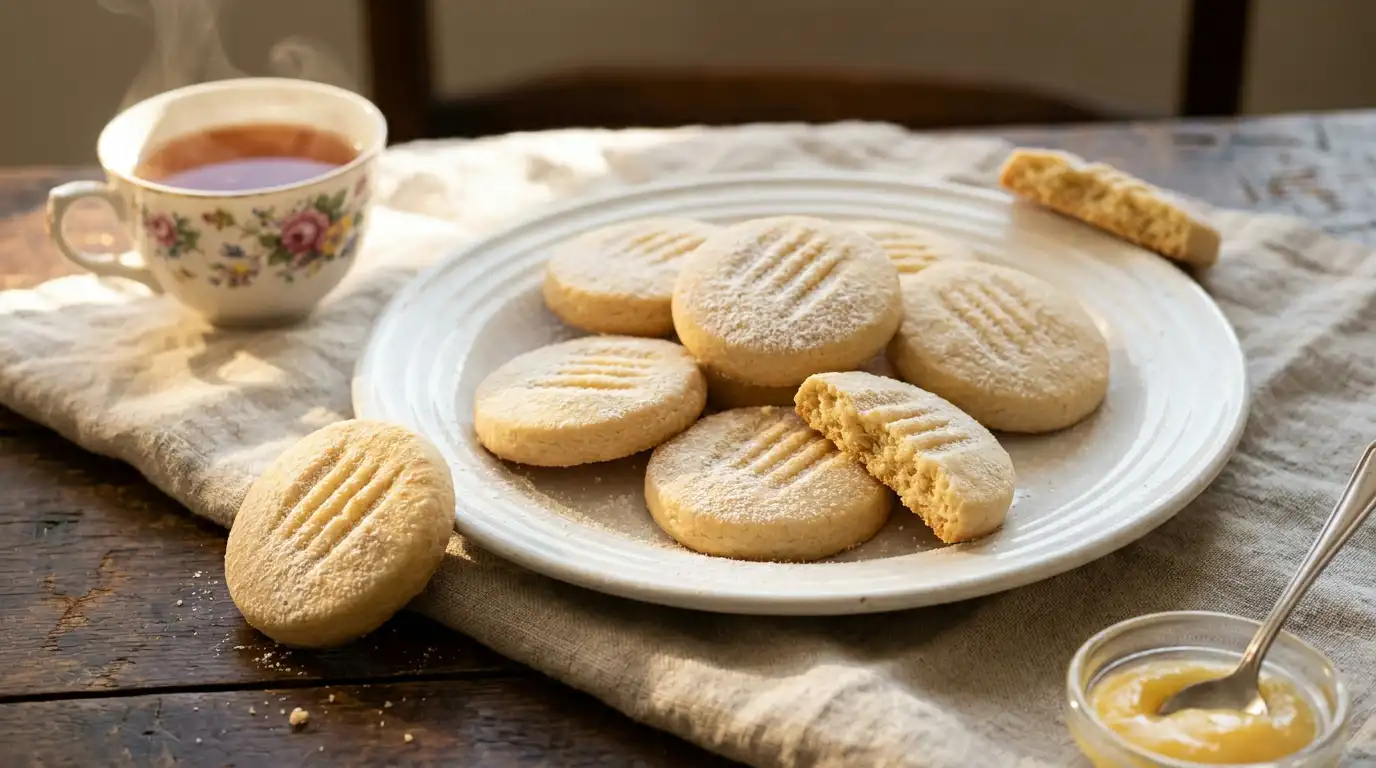
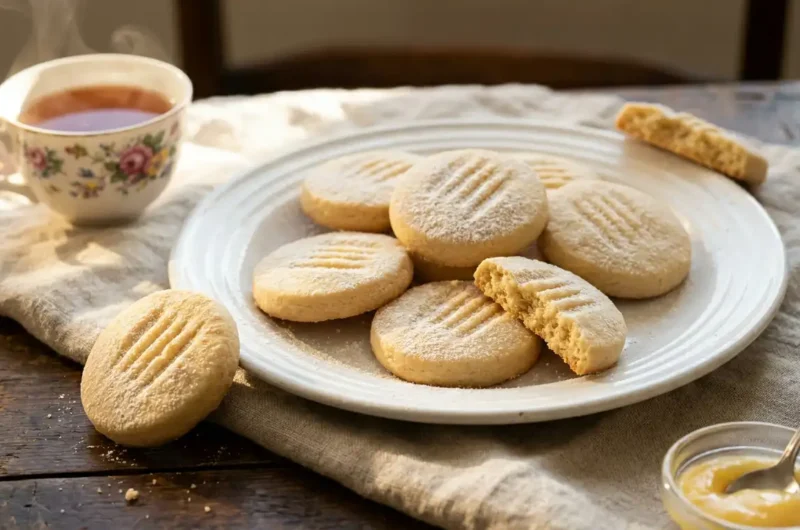
Mary Berry fork biscuits are short, crumbly rounds with a tender, melt-in-the-mouth texture and a pale golden finish pressed with a fork’s tines. The buttery flavour comes through clearly, with a faint vanilla warmth and just enough sweetness to make them satisfying without being cloying.
What makes this version reliable is the simple ratio of butter to flour, which keeps the dough soft and workable without cracking or crumbling when shaped. These biscuits suit beginners well because they need no rolling pin, no chilling, and no fuss. A baking sheet, a fork, and a mixing bowl are all that is required. From start to finish, they are ready in around 30 minutes.
Ingredients
For the biscuits
- 125g unsalted butter, softened to room temperature
- 55g caster sugar
- 1 tsp vanilla extract
- 175g plain flour, sifted
- A pinch of fine salt
To finish
- A little extra caster sugar, for dusting (optional)
How to Make Mary Berry Fork Biscuits Recipe
- Preheat the oven: Set the oven to 170°C (150°C fan, Gas Mark 3) and line two baking sheets with non-stick baking paper. Getting the temperature right here matters, as too high a heat will brown the edges before the centres are cooked through.
- Cream the butter and sugar: Beat the softened butter and caster sugar together in a mixing bowl using a wooden spoon or electric hand whisk until the mixture is pale and noticeably lighter in texture, around 2 to 3 minutes.
- Add the vanilla: Stir in the vanilla extract and mix until evenly combined.
- Incorporate the flour: Add the sifted plain flour and salt to the bowl. Mix gently at first to avoid a flour cloud, then bring the dough together with your hands until it forms a smooth, soft ball. Do not overwork it, as this develops the gluten and makes the biscuits tough rather than short.
- Shape the biscuits: Pinch off pieces of dough roughly the size of a walnut and roll each one briefly between your palms into a smooth ball. Place them on the lined baking sheets, spacing them about 4cm apart to allow for slight spreading.
- Press with a fork: Dip a fork in a little flour and press it gently down onto each ball to flatten it to around 1cm thickness. Press once in one direction only to create the classic ridged pattern on the surface.
- Bake the biscuits: Place both sheets in the oven and bake for 12 to 15 minutes, until the biscuits are set and very lightly golden at the edges. They should look barely coloured in the centre, as they will firm up considerably as they cool.
- Cool on the tray: Leave the biscuits on the baking sheets for 5 minutes before transferring them to a wire rack. Moving them too soon risks breaking them, as they are fragile while warm.
- Dust and serve: Once completely cool, dust lightly with caster sugar if desired. The biscuits are ready to serve as soon as they reach room temperature.
Tips for the Best Mary Berry Fork Biscuits
Why are my fork biscuits spreading too much and losing their shape?
The butter was likely too warm when the dough was mixed. Softened butter should hold a finger indent but not feel greasy. If the dough feels sticky or slack before baking, refrigerate it for 10 minutes to firm it up before shaping.
Why did my biscuits come out hard instead of short and crumbly?
Overworking the dough after the flour is added is the most common cause. Mix only until the dough just comes together and stops looking floury. Stop at that point, even if the dough seems a little rough.
How do I stop the fork from sticking to the dough when pressing?
Dip the fork tines into a small bowl of plain flour before each press. Tap off any excess so it does not leave thick flour patches on the surface of the biscuit.
Why are my biscuits pale and soft even after 15 minutes of baking?
Oven temperatures vary, so if the biscuits look underdone at 15 minutes, give them a further 2 to 3 minutes and check again. They should feel just set in the centre and show a faint gold at the rim. A fan oven set 10 to 20 degrees lower than stated will slow baking noticeably.
Why do my biscuits crack when I press them with the fork?
The dough is too dry, which usually means the butter was not soft enough or the flour was packed tightly when measured. Knead the dough gently for a few seconds with warm hands to bring it together, and the crack should close before baking.
Serving Suggestions
- Serve alongside a pot of strong English Breakfast or Assam tea for a classic mid-morning treat.
- Arrange on a cake stand with other shortbread-style biscuits for an afternoon tea spread.
- Pair with a small dish of lemon curd for dipping, which cuts through the richness of the butter.
- Serve with a scoop of vanilla ice cream and a drizzle of warm salted caramel for a simple pudding plate.
- Pack into a tin lined with greaseproof paper as a homemade gift, layered between sheets to prevent breaking.
Storage
Room temperature
Store in an airtight tin or container at room temperature for up to 5 days. Keep away from strong-smelling foods as the biscuits absorb odours easily.
Refrigerator
These biscuits can be stored in a sealed container in the refrigerator for up to one week. Bring them back to room temperature for 15 minutes before serving, as cold air firms the butter and dulls the texture slightly.
Freezing
Arrange cooled biscuits in a single layer on a tray, freeze until solid, then transfer to a freezer-safe bag or container with sheets of baking paper between layers. They will keep for up to 2 months. Defrost at room temperature for 30 to 40 minutes before serving.
Nutrition
- Calories: 105 kcal
- Carbohydrates: 11g
- Protein: 1g
- Fat: 6g
- Saturated Fat: 4g
- Sodium: 15mg
Nutrition values are estimates based on average ingredient data and may differ depending on the exact ingredients and brands used.
FAQs
Can I use salted butter instead of unsalted butter in fork biscuits?
Yes, salted butter works fine here. Simply leave out the pinch of salt in the recipe. The flavour will be very similar, with a mild savouriness that actually suits the biscuit well.
Can I add flavourings to change the taste of these biscuits?
These biscuits take to flavour variations well. Replace the vanilla extract with half a teaspoon of almond extract for a nuttier note, or add the finely grated zest of one lemon to the butter and sugar for a citrus version.
Can I make the dough ahead of time and bake it later?
The dough can be wrapped tightly in cling film and refrigerated for up to 24 hours before shaping and baking. Let it sit at room temperature for 10 minutes before working with it, as cold dough is stiffer and more prone to cracking.
Can I double this recipe to make a larger batch?
The recipe doubles without any problem. Simply scale all quantities by two and bake in batches, rotating the sheets halfway through if your oven heats unevenly at the back.
Are these fork biscuits suitable for a gluten-free diet?
A plain gluten-free flour blend can be used as a direct swap for the plain flour. Look for a blend that includes xanthan gum, which helps bind the dough and gives a similar short texture to the original.
Conclusion
Mary Berry fork biscuits are one of those reliable bakes that ask very little of the baker but deliver a biscuit tin worth opening. The dough comes together quickly, the shaping takes minutes, and the result is a batch of around 18 to 20 pale, tender rounds with a clean buttery flavour and a satisfying snap when broken. They are a strong choice for anyone starting out with home baking, and experienced bakers will find them a useful, unfussy recipe to return to.
Whether served with tea, gifted in a tin, or dressed up with a pairing at the table, these biscuits hold their own without needing embellishment. Give the recipe a go and share how they turned out in the comments below. If a flavour variation worked well, it is always good to hear from others who have tried it. If you enjoyed this recipe, you might also like the Mary Berry leek and potato soup recipe for something warming and equally straightforward.
Mary Berry Fork Biscuits Recipe
Course: BiscuitsCuisine: BritishDifficulty: Easy18
servings15
minutes15
minutes105
kcal30
minutesShort, crumbly rounds with a tender, melt-in-the-mouth texture and a pale golden finish. These buttery biscuits need no rolling pin, no chilling, and come together in just 30 minutes with simple everyday ingredients.
Ingredients
125g unsalted butter, softened to room temperature
55g caster sugar
1 tsp vanilla extract
175g plain flour, sifted
a pinch of fine salt
a little extra caster sugar for dusting (optional)
Instructions
- Preheat the oven to 170C (150C fan, Gas Mark 3) and line two baking sheets with non-stick baking paper.
- Beat the softened butter and caster sugar together in a mixing bowl until pale and noticeably lighter in texture, around 2 to 3 minutes.
- Stir in the vanilla extract and mix until evenly combined.
- Add the sifted plain flour and salt, mix gently then bring the dough together with your hands until it forms a smooth, soft ball without overworking it.
- Pinch off walnut-sized pieces of dough, roll briefly into smooth balls and place on the lined baking sheets about 4cm apart.
- Dip a fork in a little flour and press it gently down onto each ball to flatten to around 1cm thickness, pressing once to create a ridged pattern.
- Bake for 12 to 15 minutes until set and very lightly golden at the edges.
- Leave the biscuits on the baking sheets for 5 minutes then transfer to a wire rack to cool completely.
- Dust lightly with caster sugar once fully cooled, if desired.
Notes
- Butter should hold a finger indent but not feel greasy for best results.
- Do not overwork the dough after adding flour or the biscuits will turn out tough.
- Dip the fork in flour before each press to prevent sticking.
- Biscuits will firm up as they cool so do not overbake.
- Replace vanilla with almond extract or lemon zest for a flavour variation.
- Dough can be wrapped and refrigerated for up to 24 hours before baking.