Mary Berry Elderflower Cordial Recipe
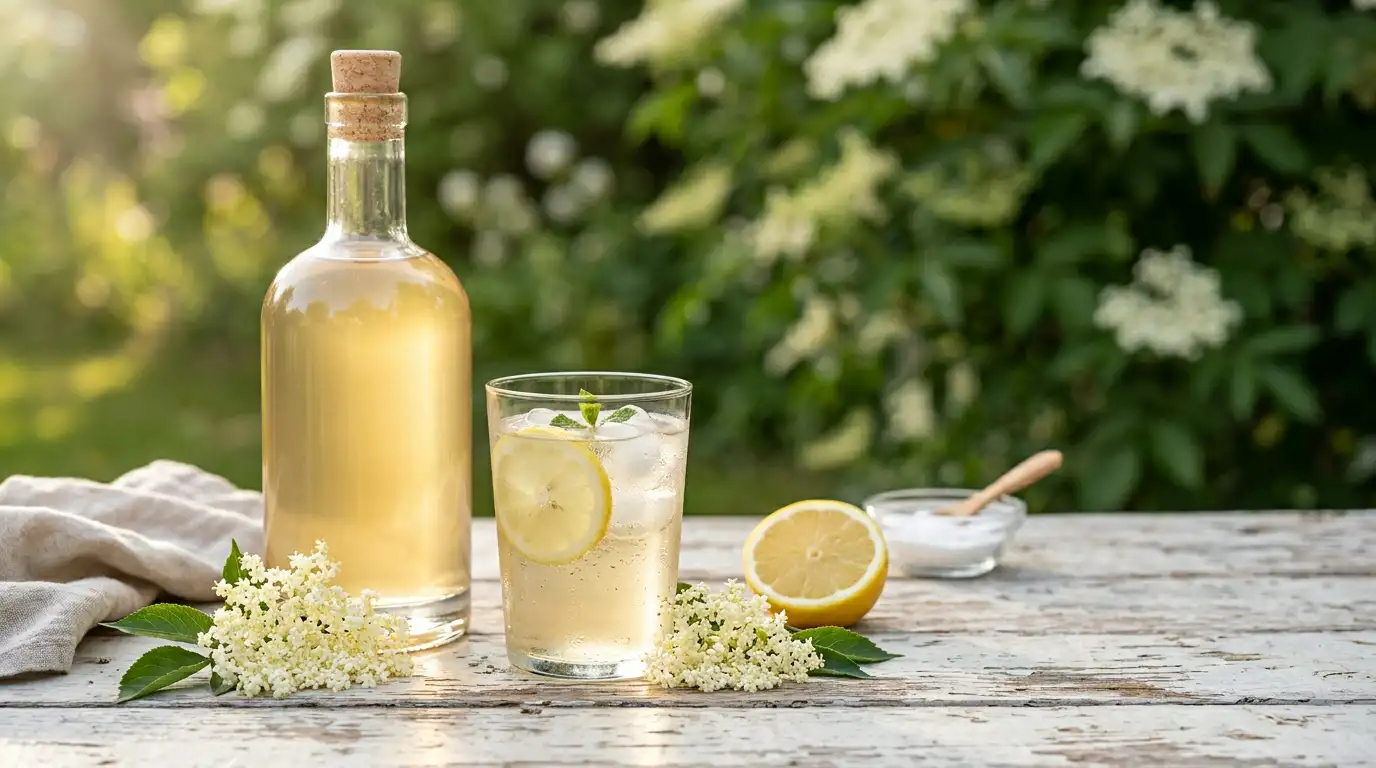
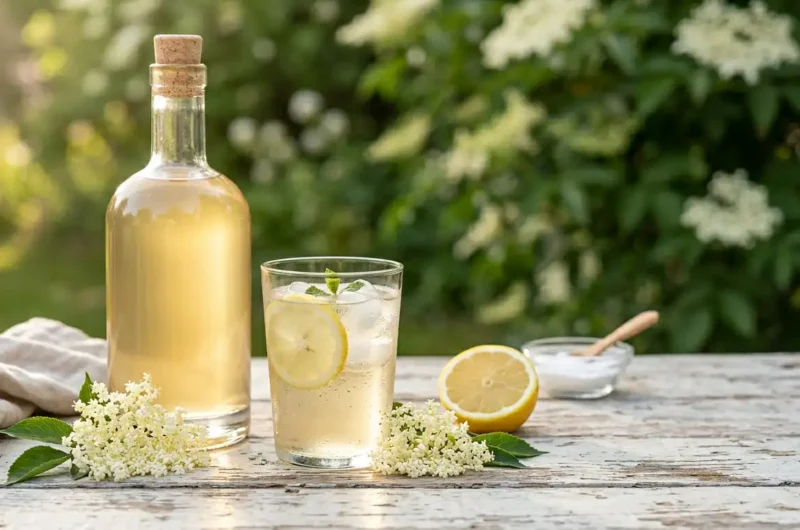
This Mary Berry elderflower cordial is a luminously pale, floral syrup with a clean citrus brightness and a delicate honeyed finish. Made with fresh elderflower heads, unwaxed lemons, and a straightforward sugar base, it produces a cordial that is both fragrant and refreshingly clear, with none of the artificial sweetness of shop-bought versions.
The recipe suits complete beginners and requires no specialist equipment beyond a large pan, a piece of muslin, and a handful of sterilised bottles. It scales easily for larger batches, keeps well throughout summer, and works just as beautifully poured over ice as it does stirred into sparkling wine or baked into sponges. From start to finish, including steeping time, it is ready in around 25 hours.
Ingredients
- 25 fresh elderflower heads, gently shaken to remove insects
- 1kg caster sugar
- 750ml boiling water
- 2 unwaxed lemons, zest pared in wide strips and juice reserved
- 1 unwaxed orange, zest pared in wide strips
- 50g citric acid
- Cold sparkling water, to serve diluted (approximately 1 part cordial to 8 parts water)
- Ice cubes and lemon slices, to serve
How to Make Mary Berry Elderflower Cordial
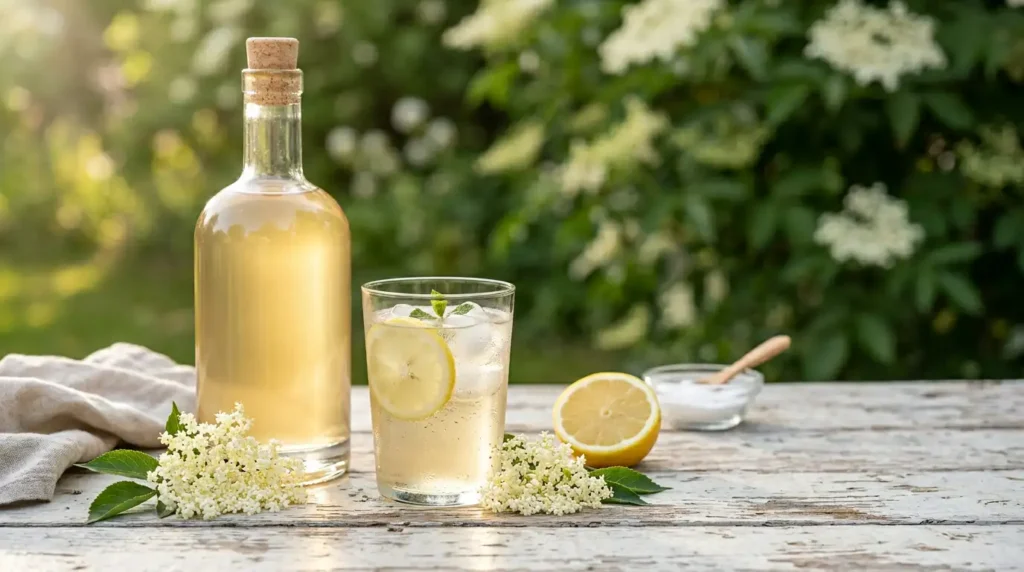
Check the elderflower heads carefully and shake off any insects. Do not wash them, as rinsing removes the pollen that gives the cordial its distinctive musky floral fragrance. Trim the thicker stalks away, keeping just the small white flower clusters.
Pour 750ml of boiling water into a large, clean heatproof bowl or saucepan and add the caster sugar. Stir steadily until the sugar has dissolved completely and the liquid is clear rather than cloudy, this ensures a smooth cordial without any gritty residue.
While the syrup is still hot, add the pared lemon zest, orange zest, lemon juice, and citric acid. Stir well to combine. The citric acid acts as a natural preservative and sharpens the flavour, preventing the cordial from tasting overly sweet.
Submerge the elderflower heads fully into the warm syrup. Press them down gently with a wooden spoon so all the blossoms are covered. Cover the bowl with a clean tea towel or cling film and leave to steep at room temperature for 24 hours, giving the flowers time to infuse deeply into the syrup.
Line a large colander or sieve with a double layer of clean muslin or a new, clean J-cloth and set it over a large jug or saucepan. Pour the steeped mixture through slowly, allowing the liquid to drain naturally without pressing the flowers, which keeps the cordial clear and prevents any bitter notes.
Wash glass bottles in hot soapy water, rinse thoroughly, then place upright on a baking tray and heat in the oven at 140C (120C fan) for 15 minutes. Allow them to cool slightly before filling. Sterilising removes bacteria that can cause early spoilage.
Using a funnel, pour the strained cordial into the warm sterilised bottles. Seal with sterilised lids or stoppers immediately while the bottles are still warm. Label each bottle with the date. The cordial is ready to use straight away or store.
Dilute approximately one part cordial to eight parts cold sparkling or still water. Taste and adjust the ratio to preference. Serve over ice with a slice of lemon or a sprig of fresh mint for a clean, pale golden drink with a floral elderflower aroma.
Tips for the Best Elderflower Cordial
01
Why does my elderflower cordial look cloudy instead of clear?
+−
02
Why does my cordial taste bland or weakly flavoured?
+−
03
Why has my cordial started fermenting in the bottle?
+−
04
Why does my cordial taste bitter at the edges?
+−
05
How do I know when my elderflowers are at their best for picking?
+−
Serving Suggestions
Dilute with cold sparkling water and pour over a tall glass of ice for a classic summer elderflower pressé with a clean, lightly fizzy finish.
Stir a generous splash into chilled prosecco or dry white wine for an easy, fragrant elderflower aperitif that suits garden parties and afternoon gatherings.
Drizzle lightly over a fresh fruit salad of strawberries and raspberries, where the floral syrup adds depth without masking the natural berry flavour.
Use as a brushing syrup on a plain Victoria sponge or lemon drizzle before filling, to add a subtle floral note and keep the crumb moist.
Add two tablespoons to homemade lemonade alongside freshly squeezed lemon juice and still water for a layered citrus and elderflower drink that suits all ages.
Storage
Room Temperature
Store sealed, sterilised bottles in a cool, dark cupboard away from direct light or heat for up to four weeks unopened.
Refrigerator
Once a bottle is opened, transfer it to the fridge and use within four to six weeks. Keep it sealed between uses and always pour with a clean spoon or bottle tip to avoid contamination. The cordial can be served straight from the fridge with no need to bring it to room temperature first.
Freezing
Pour the cordial into small, sealed freezer-safe containers or ice cube trays, leaving a small gap at the top for expansion, and freeze for up to three months. Defrost overnight in the fridge and shake or stir gently before use, as a small amount of separation can occur during freezing.
Nutrition
Nutrition values are estimates per 25ml serving of undiluted cordial and may vary depending on the exact quantities of sugar used and how the cordial is diluted before serving.
FAQs
01
Can I use dried elderflowers instead of fresh ones?
+−
Dried elderflowers can be used, though the resulting cordial will have a noticeably less vibrant and slightly more earthy flavour than one made with fresh heads. If using dried flowers, reduce the quantity to around 15g and steep for the same 24 hours. The colour will be a deeper gold rather than the pale champagne you get with fresh flowers.
02
Can I make this elderflower cordial recipe without citric acid?
+−
Citric acid is strongly recommended as it preserves the cordial and brightens the flavour. However, if it is unavailable, you can increase the quantity of lemon juice by two tablespoons per lemon used. Be aware that a cordial made without citric acid will have a shorter shelf life of around two weeks in the fridge and is more prone to early fermentation.
03
Can I use this cordial as an ingredient in baking?
+−
Absolutely, the cordial works very well as a baking ingredient. Use it to soak a sponge layer before assembling a cake, stir it into buttercream in place of milk for a floral finish, or add a few tablespoons to whipped cream for a delicate summer dessert. When baking with it, keep in mind the cordial is already sweetened, so reduce any additional sugar in the recipe slightly to balance the flavour.
04
Can I double this elderflower cordial recipe for a larger batch?
+−
The recipe doubles very straightforwardly. Simply scale all quantities proportionally and use a larger bowl for steeping. You will need more sterilised bottles on hand for bottling. The steeping time remains 24 hours regardless of batch size, as this is about infusion depth rather than quantity.
05
Is this elderflower cordial suitable for children?
+−
Yes, this is a non-alcoholic cordial and is entirely suitable for children when diluted with still or sparkling water in the usual way. The citric acid is a food-safe preservative used widely in commercially produced drinks and poses no concern for children when the cordial is consumed diluted at the recommended ratio.
Conclusion
This Mary Berry elderflower cordial recipe makes approximately 1.2 litres of finished cordial from a single batch, enough to fill around two standard 600ml bottles. The method is straightforward, needing no cooking skills beyond dissolving sugar in hot water and straining with care, yet the results are genuinely special: a clear, pale golden syrup with a clean elderflower fragrance, a sharp citrus edge, and none of the cloying sweetness found in many shop-bought versions. It is one of the most rewarding things to make during elder season, because a single afternoon of preparation yields bottles that last all summer.
If this recipe has inspired you to explore more seasonal British baking and cooking, share it with a friend or leave a comment below with how yours turned out. Elderflower cordial makes a lovely gift tucked into a hamper alongside homemade preserves or biscuits. For another classic recipe to try next, you might also enjoy the Mary Berry French Apple Tart recipe, a beautifully simple tart that makes great use of the same careful, unfussy approach that makes British home baking so satisfying.
Mary Berry Elderflower Cordial Recipe
Course: BeverageCuisine: BritishDifficulty: Easy48
servings30
minutes10
minutes85
kcal25
hoursA luminously pale, floral syrup with a clean citrus brightness and a delicate honeyed finish. Made with fresh elderflower heads, unwaxed lemons, and a straightforward sugar base, this homemade cordial is fragrant, clear, and far superior to any shop-bought version.
Ingredients
25 fresh elderflower heads, gently shaken to remove insects
1kg caster sugar
750ml boiling water
2 unwaxed lemons, zest pared in wide strips and juice reserved
1 unwaxed orange, zest pared in wide strips
50g citric acid
cold sparkling water to serve diluted approximately 1 part cordial to 8 parts water
ice cubes and lemon slices to serve
Instructions
- Check the elderflower heads carefully and shake off any insects. Do not wash them as rinsing removes the pollen. Trim the thicker stalks away keeping just the small white flower clusters.
- Pour 750ml of boiling water into a large clean heatproof bowl or saucepan and add the caster sugar. Stir steadily until the sugar has dissolved completely and the liquid is clear rather than cloudy.
- While the syrup is still hot add the pared lemon zest, orange zest, lemon juice, and citric acid. Stir well to combine.
- Submerge the elderflower heads fully into the warm syrup. Press them down gently with a wooden spoon so all the blossoms are covered. Cover the bowl with a clean tea towel or cling film and leave to steep at room temperature for 24 hours.
- Line a large colander or sieve with a double layer of clean muslin or a new clean J-cloth and set it over a large jug or saucepan. Pour the steeped mixture through slowly allowing the liquid to drain naturally without pressing the flowers.
- Wash glass bottles in hot soapy water, rinse thoroughly, then place upright on a baking tray and heat in the oven at 140C (120C fan) for 15 minutes. Allow them to cool slightly before filling.
- Using a funnel pour the strained cordial into the warm sterilised bottles. Seal with sterilised lids or stoppers immediately while the bottles are still warm. Label each bottle with the date.
- Dilute approximately one part cordial to eight parts cold sparkling or still water. Serve over ice with a slice of lemon or a sprig of fresh mint.
Notes
- Pick elderflowers on a warm dry day when they are fully open, creamy white, and strongly fragrant for the best flavour.
- Never wash the elderflower heads as this removes the pollen that gives the cordial its distinctive floral fragrance.
- Always let the cordial drain through muslin naturally under gravity and never press or squeeze the flowers to keep it clear.
- Trim back thick green stalks before steeping as they can introduce a bitter flavour into the syrup.
- Citric acid is essential for both preservation and flavour brightness so do not skip it.
- Once opened store the cordial in the fridge and use within four to six weeks.