Mary Berry Dutch Apple Cake Recipe
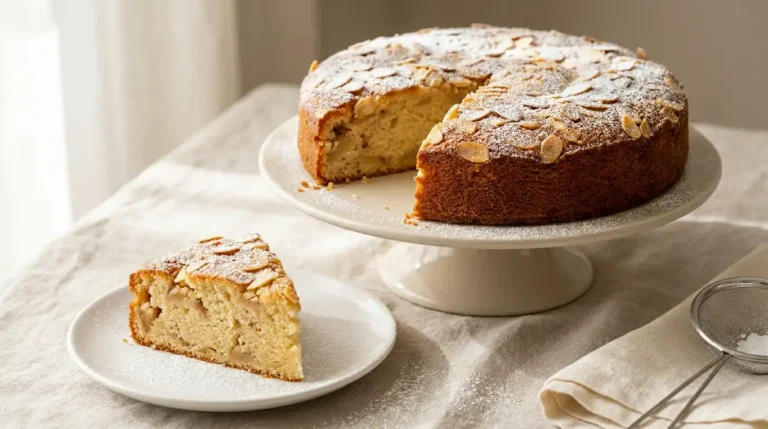
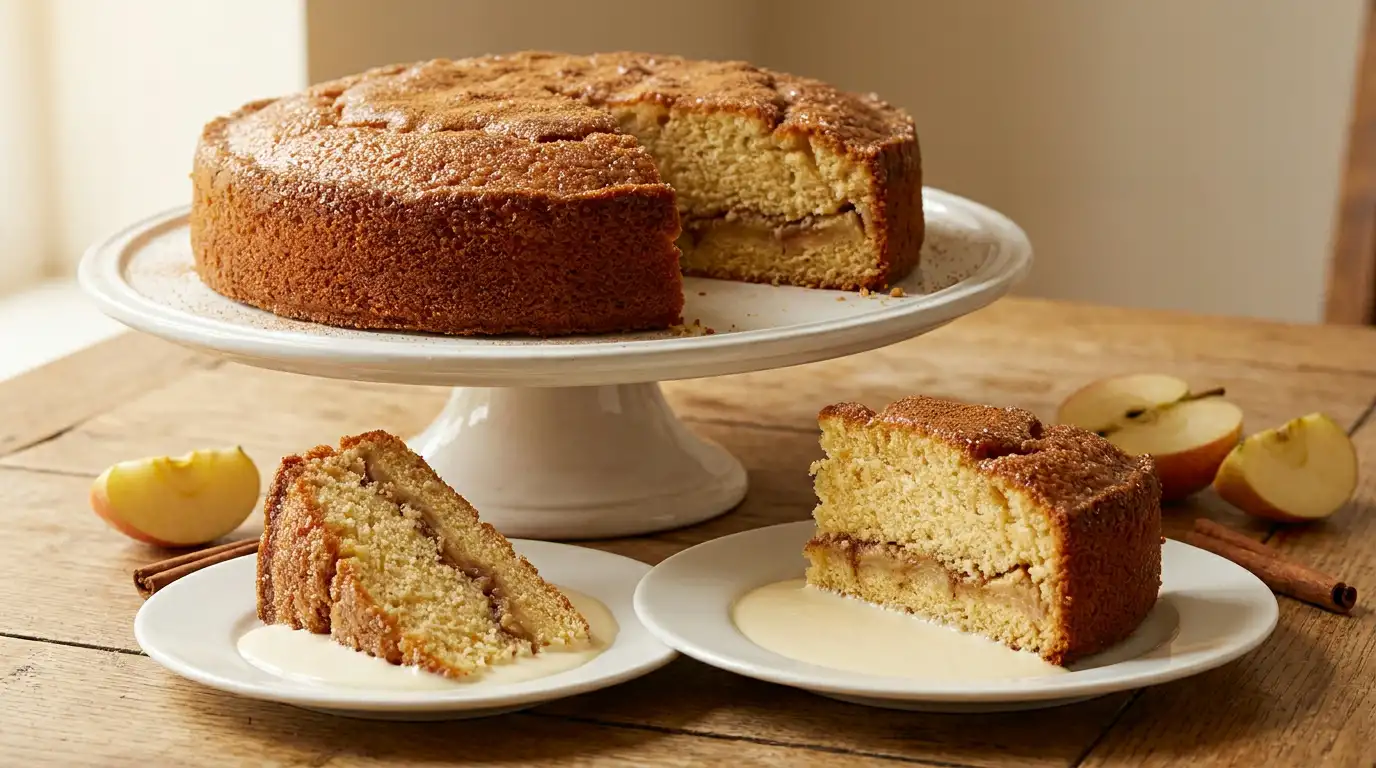
This Mary Berry Dutch Apple Cake is a tender, golden sponge layered with soft cinnamon-spiced apple slices and finished with a lightly crisp, sugar-dusted top that catches the light when it comes out of the oven. The crumb is moist and close-textured, holding just enough sweetness to let the tartness of the apple shine through each slice.
What makes this version reliable is its straightforward method and forgiving batter, which works well for beginner bakers and experienced home cooks alike. It sits comfortably on the table as an afternoon treat or a relaxed pudding after Sunday lunch. From start to finish, it is ready in around 1 hour 15 minutes.
Ingredients
For the sponge
- 175g unsalted butter, softened
- 175g caster sugar
- 3 large eggs, at room temperature
- 175g self-raising flour, sifted
- 1 tsp baking powder
- 1 tsp vanilla extract
- 2 tbsp whole milk
For the apple layer
- 2 medium Bramley apples (approx. 400g), peeled, cored, and sliced into 5mm pieces
- 1 tsp ground cinnamon
- 1 tbsp light brown sugar
- 1 tsp lemon juice
To finish
- 2 tbsp demerara sugar
- A light dusting of ground cinnamon
How to Make Mary Berry Dutch Apple Cake
- Preheat and prepare: Heat the oven to 180°C (160°C fan, Gas Mark 4). Grease a 20cm round, deep cake tin and line the base and sides with baking parchment. This prevents the apple layer from sticking and makes the finished cake much easier to lift out cleanly.
- Season the apples: Place the sliced apples in a bowl and toss with the ground cinnamon, light brown sugar, and lemon juice until every piece is lightly coated. Set aside while you make the batter. The lemon juice stops the apples browning and adds a gentle brightness to the flavour.
- Cream the butter and sugar: Beat the softened butter and caster sugar together in a large bowl using an electric hand whisk for about 4 to 5 minutes, until the mixture is very pale and noticeably fluffy. Thorough creaming at this stage gives the sponge its light, open texture.
- Add the eggs: Beat in the eggs one at a time, adding a tablespoon of flour with each addition. This slows the mixture from splitting. Continue until each egg is fully incorporated before adding the next.
- Fold in the flour: Sift in the remaining flour and baking powder, then add the vanilla extract and milk. Fold gently using a large metal spoon or spatula, cutting through the mixture in a figure-of-eight motion. Stop folding as soon as no streaks of flour remain, keeping as much air in the batter as possible.
- Layer the tin: Spoon just over half the batter into the prepared tin and spread it level with a palette knife or the back of a spoon. Arrange the seasoned apple slices evenly across the surface, overlapping them slightly in a single layer. Spoon the remaining batter over the top and spread it as smoothly as you can. It does not need to be perfect as the batter will settle during baking.
- Add the topping: Scatter the demerara sugar evenly over the surface of the cake, followed by a light dusting of cinnamon. The coarser sugar creates a lightly crunchy, golden crust as the cake bakes.
- Bake and test: Place the tin on the middle shelf of the oven and bake for 45 to 50 minutes, until the top is deep golden and a skewer inserted into the centre of the sponge comes out clean. If the top is browning too quickly after 35 minutes, lay a loose sheet of foil over the tin without pressing it down.
- Cool in the tin: Leave the cake to cool in the tin for 15 minutes before turning out onto a wire rack. Peeling away the parchment while the cake is still slightly warm prevents it from tearing.
Tips for the Best Mary Berry Dutch Apple Cake
Why is my apple layer sinking to the bottom of the cake?
This usually happens when the apple slices are too thick or too wet. Slice the apples no thicker than 5mm and pat them dry on kitchen paper before tossing them in the cinnamon sugar. Laying them on top of the first layer of batter, rather than stirring them in, also keeps them evenly distributed through the bake.
Why is my Dutch apple cake dense rather than light?
The most common cause is under-creaming the butter and sugar. Beat the mixture for a full 4 to 5 minutes until it turns very pale and almost white in colour. Also check the baking powder is within its use-by date, as old raising agents lose their lift quickly.
How do I stop the top of the cake from burning before the centre is cooked?
Place the tin on the middle shelf, not the top, and check the cake at the 35-minute mark. If the demerara topping is already deep brown, tent a piece of foil loosely over the tin. This allows steam to circulate while shielding the surface from direct heat.
Why is the sponge gummy around the apple layer after baking?
This happens when the apple releases too much moisture during baking. Tossing the slices in lemon juice and brown sugar in advance draws out some of their liquid before they go into the tin. If the problem persists, try a slightly drier apple variety alongside the Bramley, such as a Cox or Braeburn.
Why did my cake take longer than 50 minutes and still seem underdone in the middle?
Ovens vary considerably in actual temperature versus the dial setting. Use an oven thermometer to verify yours is accurate and position the tin centrally on the shelf. A tin that is too deep or too narrow will also slow the heat reaching the centre, so stick to the recommended 20cm round tin.
Serving Suggestions
- Serve warm, cut into generous wedges, with a pouring of cold double cream alongside.
- Pair with a spoonful of thick clotted cream and a small drizzle of clear honey for an afternoon treat.
- Dust lightly with icing sugar just before bringing to the table for a clean, bakery-style finish.
- Offer with a scoop of vanilla custard for a relaxed pudding that suits both children and adults.
- Serve at room temperature alongside a pot of strong Darjeeling tea for an autumn afternoon spread.
Storage
Room temperature
Keep the cooled cake in an airtight tin or container at room temperature for up to 2 days.
Refrigerator
Wrap individual slices in cling film or store the whole cake in an airtight container in the fridge for up to 4 days. Bring the cake back to room temperature for at least 30 minutes before serving, as chilling firms the sponge and dulls the flavour slightly.
Freezing
Wrap the fully cooled cake tightly in a double layer of cling film, then place it in a freezer bag, and freeze for up to 2 months. Defrost overnight at room temperature, unwrapped, and warm individual slices briefly in a low oven at 150°C for 8 to 10 minutes to refresh the texture before serving.
Nutrition
- Calories: 385 kcal
- Carbohydrates: 48g
- Protein: 5g
- Fat: 19g
- Saturated Fat: 11g
- Sodium: 160mg
Nutrition values are estimates based on the ingredients listed and may vary depending on the specific brands and serving sizes used.
FAQs
Can I use eating apples instead of Bramley apples in this recipe?
Yes, eating apples such as Cox or Granny Smith work well and hold their shape more firmly during baking. The flavour will be slightly sweeter and less tart than with Bramleys, so you may want to reduce the brown sugar in the apple layer by half a tablespoon to keep the balance right.
Can I make this Dutch apple cake the day before serving?
Yes, this cake actually tastes very good the following day once the apple moisture has settled into the sponge, making the crumb a touch more moist. Bake it completely, allow it to cool, and store it wrapped at room temperature overnight. Add the icing sugar dusting just before serving.
Can I use a rectangular tin instead of a round tin for this recipe?
A 20cm square tin works as a direct swap and will give you neat rectangular slices, which are easy to serve at a gathering. Check the cake 5 minutes earlier than the recipe states, as a square tin can bake slightly faster than a round one due to its corners conducting heat more efficiently.
Can I add other spices or fruit to the apple layer?
Ground nutmeg or mixed spice added alongside the cinnamon gives the apple layer a warmer, more complex aroma. A small handful of sultanas or raisins tossed in with the apple works well too, adding bursts of sweetness through the sponge. Avoid fruit with a very high water content, such as fresh pear or plum, as this can make the batter too wet.
Is this recipe suitable for making in a springform tin?
A 20cm springform tin is an excellent choice for this cake as the clip-release side makes it much easier to unmould without disturbing the apple layer or the crisp sugar topping. Grease and line it in the same way as a standard tin and check for any leaks around the base before adding the batter.
Conclusion
This Mary Berry Dutch Apple Cake delivers everything a good home-bake should: a tender, golden sponge, a fragrant cinnamon apple layer, and a lightly crunchy demerara top that sets it apart from a plain apple cake. The method is clear and the results are consistent, making it a dependable recipe whether it is new to your repertoire or one you return to every season. This recipe makes 8 generous slices, ideal for sharing at a family table or wrapping up for a weekend gathering.
If you give this recipe a go, leave a comment below to share how it turned out. Questions, tweaks, and your own apple variety discoveries are all welcome. Share the recipe with someone who enjoys a proper bake, and bookmark it for when the apple season arrives. If you enjoyed this, you might also like the Mary Berry No Bake Vanilla Cheesecake Recipe for another crowd-pleasing dessert that is just as straightforward to put together.
Mary Berry Dutch Apple Cake Recipe
Course: DessertCuisine: BritishDifficulty: Easy8
servings25
minutes50
minutes385
kcal1
hour15
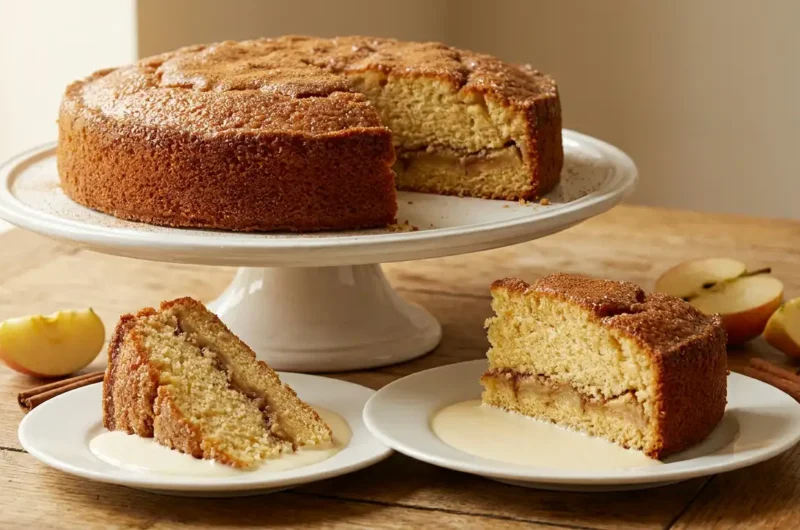
minutesA tender, golden sponge layered with soft cinnamon-spiced apple slices and finished with a lightly crisp demerara sugar top. This beginner-friendly bake is moist, reliable, and perfect for afternoon tea or a relaxed family pudding.
Ingredients
175g unsalted butter, softened
175g caster sugar
3 large eggs, at room temperature
175g self-raising flour, sifted
1 tsp baking powder
1 tsp vanilla extract
2 tbsp whole milk
2 medium Bramley apples (approx. 400g), peeled, cored, and sliced into 5mm pieces
1 tsp ground cinnamon
1 tbsp light brown sugar
1 tsp lemon juice
2 tbsp demerara sugar
a light dusting of ground cinnamon
Instructions
- Heat the oven to 180°C (160°C fan, Gas Mark 4). Grease a 20cm round deep cake tin and line the base and sides with baking parchment.
- Place the sliced apples in a bowl and toss with ground cinnamon, light brown sugar, and lemon juice until every piece is lightly coated. Set aside.
- Beat the softened butter and caster sugar together using an electric hand whisk for 4 to 5 minutes until very pale and fluffy.
- Beat in the eggs one at a time, adding a tablespoon of flour with each addition, until fully incorporated.
- Sift in the remaining flour and baking powder, add the vanilla extract and milk, then fold gently until no streaks of flour remain.
- Spoon just over half the batter into the prepared tin and spread level. Arrange the seasoned apple slices evenly across the surface in a single layer. Spoon the remaining batter over the top and spread as smoothly as possible.
- Scatter demerara sugar evenly over the surface followed by a light dusting of cinnamon.
- Bake on the middle shelf for 45 to 50 minutes until deep golden and a skewer inserted into the centre comes out clean.
- Leave the cake to cool in the tin for 15 minutes before turning out onto a wire rack and peeling away the parchment.
Notes
- Slice apples no thicker than 5mm and pat dry before using to prevent a gummy layer.
- Cream butter and sugar for a full 4 to 5 minutes for the lightest sponge texture.
- If the top browns too quickly, lay a loose sheet of foil over the tin after 35 minutes.
- Eating apples such as Cox or Granny Smith can replace Bramley for a firmer, sweeter layer.
- A springform tin makes unmoulding easier without disturbing the topping.
- The cake tastes excellent the following day once the apple moisture settles into the sponge.