Mary Berry Shrewsbury Biscuits Recipe
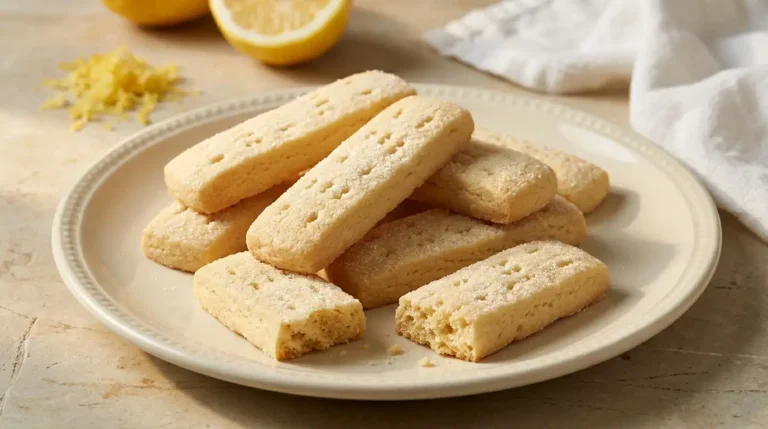
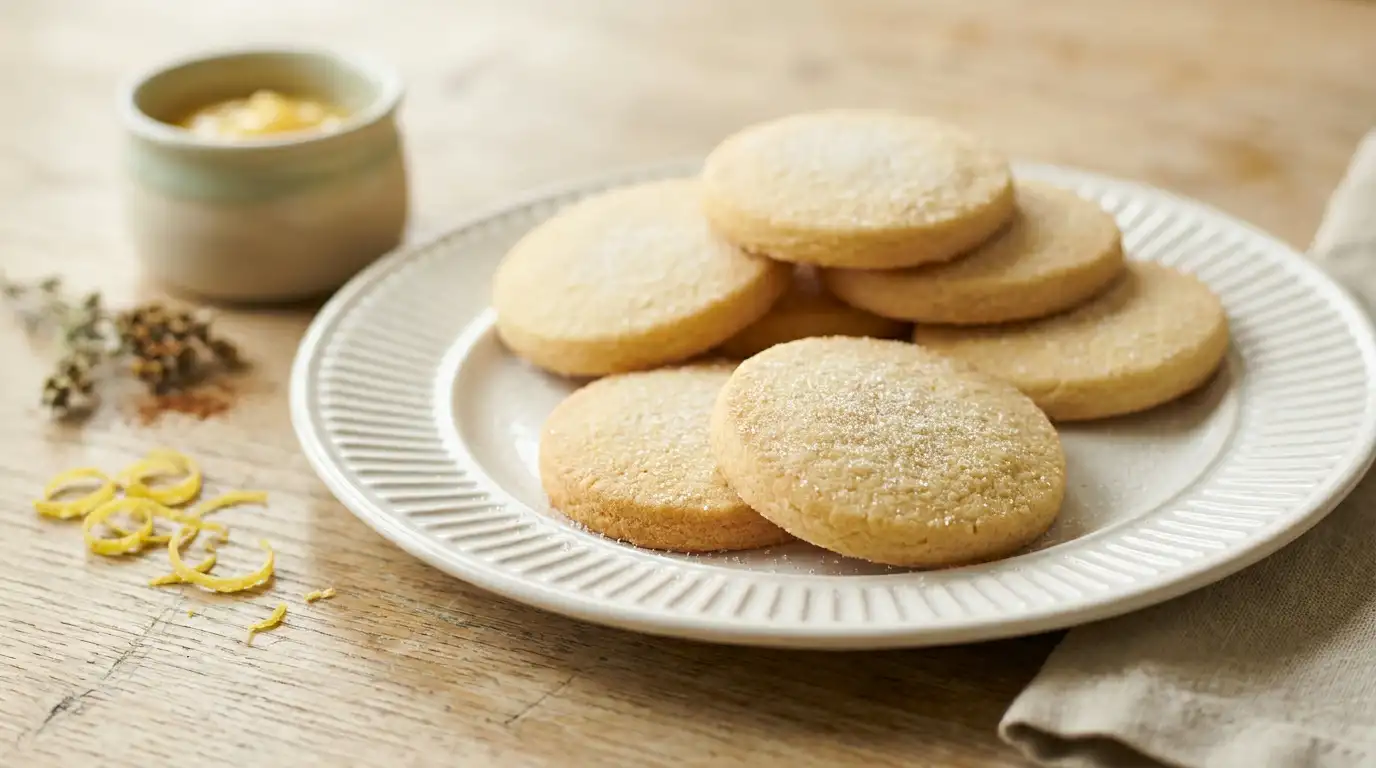
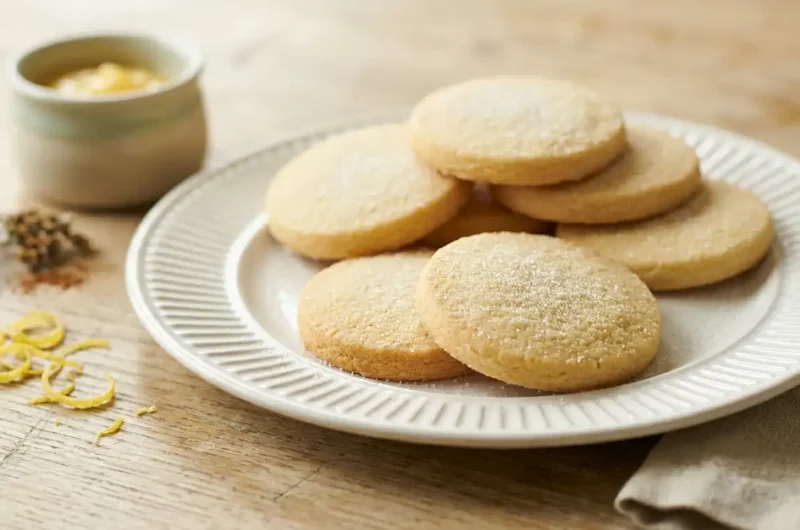
Mary Berry Shrewsbury Biscuits are crisp, buttery rounds with a delicate citrus edge and a fine, sandy crumble that gives just a little before it snaps. A hint of lemon zest and mixed spice lifts the sweetness without overpowering the classic shortbread-like base. This version is straightforward to prepare, with no chilling equipment or specialist skills required, making it reliable for weekday baking as much as a weekend tea spread. From start to finish, the biscuits are ready in around 45 minutes.
Shrewsbury biscuits sit somewhere between a shortbread and a sugar biscuit. The texture is firm enough to hold its shape when cut, yet tender at the centre once baked. They carry well in a tin for days, which makes them a practical choice for gifting, bake sales, or keeping on hand for afternoon tea.
Ingredients
For the biscuits
- 115g unsalted butter, softened at room temperature
- 100g caster sugar
- 1 medium egg, lightly beaten
- Finely grated zest of 1 unwaxed lemon
- 225g plain flour, plus extra for dusting
- 1 tsp mixed spice
- A pinch of fine salt
To finish
- 2 tbsp caster sugar, for dusting
How to Make Mary Berry Shrewsbury Biscuits Recipe
- Preheat the oven: Set the oven to 180°C (160°C fan, gas mark 4) and line two flat baking trays with baking parchment. A moderate temperature allows the biscuits to colour evenly without hardening too quickly at the edges.
- Cream the butter and sugar: Beat the softened butter and caster sugar together in a large mixing bowl using a wooden spoon or hand-held electric whisk until the mixture is pale and noticeably lighter in texture. This takes about 3 minutes.
- Add the egg and zest: Pour in the beaten egg gradually, mixing well between each addition, then stir in the lemon zest. Adding the egg slowly prevents the mixture from separating and keeps the dough cohesive.
- Incorporate the flour: Sift the plain flour, mixed spice, and salt into the bowl. Stir with a round-bladed knife until the mixture begins to clump, then bring it together gently with your hands to form a smooth, firm dough. Do not overwork the dough or the biscuits will be tough.
- Roll and cut: Lightly dust a clean worktop and rolling pin with flour. Roll the dough out to around 5mm thickness, then cut into rounds using a 7cm fluted cutter. Re-roll any offcuts and cut again until all the dough is used.
- Transfer and dust: Place the rounds onto the prepared trays, spacing them about 2cm apart. Dust the tops lightly with the reserved caster sugar.
- Bake: Bake in the preheated oven for 12 to 15 minutes, until the biscuits are a pale golden colour across the surface and just firm to a light touch. They will crisp further as they cool, so remove them while still slightly soft in the centre.
- Cool on a wire rack: Leave the biscuits on the trays for 5 minutes before transferring them to a wire rack to cool completely. This resting time allows them to set without crumbling when moved.
Tips for the Best Mary Berry Shrewsbury Biscuits
Why are my Shrewsbury biscuits spreading too much during baking?
The butter was likely too warm before creaming. Softened butter should hold a thumbprint but still feel cool to the touch. If the dough feels greasy or slack before rolling, chill it in the fridge for 20 minutes before cutting.
How do I stop my biscuits from going soft after a day or two?
Make sure they are completely cold before storing them in an airtight tin. Any residual warmth causes condensation inside the container, which softens the texture quickly. A couple of sheets of kitchen paper laid across the top layer absorbs excess moisture.
Why did my biscuits turn brown at the edges but stay pale in the middle?
The oven temperature was likely too high, or the trays were placed too close to the top element. Use the middle shelf for both trays, and if the oven runs hot, reduce by 10°C and add 2 minutes to the bake time to encourage even colour.
My dough keeps crumbling when I try to roll it. What has gone wrong?
The dough is probably too dry, which usually happens if the egg was small or the flour was not measured accurately. Press the dough firmly together and add no more than half a teaspoon of cold water at a time, kneading briefly between additions until it holds cleanly.
How do I get an even thickness across all the biscuits?
Use two wooden spoons or a pair of equal-height rolling guides placed either side of the dough. Rolling the pin across the guides ensures a consistent 5mm depth across every biscuit, which in turn gives an even bake from edge to edge.
Serving Suggestions
- Serve alongside a pot of Earl Grey tea for a classic afternoon pairing, where the citrus in the biscuit echoes the bergamot in the tea.
- Arrange on a tiered cake stand with shortbread fingers and small iced sponge cakes for a full afternoon tea spread.
- Sandwich two biscuits together with a thin layer of lemon curd for a sharper, more dessert-like finish.
- Crumble over thick Greek yogurt with a drizzle of honey for a simple, textured breakfast.
- Wrap in cellophane with a ribbon and place in a small gift tin for a homemade baked present during the festive season.
Storage
Room Temperature
Keep the cooled biscuits in an airtight tin or container at room temperature for up to five days.
Refrigerator
Shrewsbury biscuits do not need refrigeration, but if the kitchen is particularly warm, store them in a sealed container in the fridge for up to one week. Allow them to come back to room temperature before serving, as chilling can briefly mute the lemon fragrance.
Freezing
Place the fully cooled biscuits in a single layer inside a freezer-safe container, separating any stacked layers with sheets of baking parchment, and freeze for up to two months. Defrost at room temperature for about 30 minutes before serving.
Nutrition
- Calories: 115 kcal
- Carbohydrates: 14g
- Protein: 1.5g
- Fat: 6g
- Saturated Fat: 3.5g
- Sodium: 30mg
Nutrition values are estimates only and will vary depending on the exact ingredients and brands used, as well as the final size of each biscuit.
FAQs
Can I use salted butter instead of unsalted in this recipe?
Yes, salted butter works fine here. Simply leave out the pinch of salt listed in the ingredients to keep the balance right. The flavour difference is subtle in a biscuit this size.
Can I make the dough ahead of time and bake it later?
The dough can be wrapped tightly in clingfilm and kept in the fridge for up to 24 hours before rolling. Take it out 10 minutes before rolling so it is easier to work with. The baked biscuits also keep well, so making a full batch a day in advance of serving is a good option.
Can I use a different spice instead of mixed spice?
Ground cinnamon or a small pinch of ground nutmeg can be used in place of mixed spice. Use the same quantity. The character of the biscuit changes slightly, but the texture and structure remain the same.
What is the best cutter size to use for Shrewsbury biscuits?
A 7cm round fluted cutter gives the most traditional result and produces a biscuit that bakes evenly at the thickness stated. Smaller cutters will reduce the bake time by 2 to 3 minutes, so keep a close watch on colour during the final few minutes.
Can I add currants to this recipe to make a more traditional version?
Yes. Fold 40g of dried currants into the dough just after incorporating the flour. Currants were a common addition in older versions of the recipe and add a small burst of sweetness with a chewier texture against the crisp base.
Conclusion
This Mary Berry Shrewsbury Biscuits recipe produces around 20 biscuits from one batch, making it a solid choice for a tea-time spread or a thoughtful gift tin. The dough is forgiving, the ingredients are straightforward, and the finished biscuit delivers that precise balance of crisp edge, tender centre, and warm citrus flavour that makes Shrewsbury biscuits such a lasting favourite on the British baking calendar.
Whether baking for a crowd or simply refreshing the biscuit tin, these rounds reward a little care with a consistently good result. Try them once and they will become a regular fixture in the rotation. Share the recipe with anyone who loves a proper afternoon tea biscuit, and leave a comment below if you added currants or tried a different spice, as the variations are always worth hearing about. If you enjoyed making these, you might also like the Mary Berry coconut biscuits recipe for another simple, buttery biscuit that works beautifully alongside a cup of tea.
Mary Berry Shrewsbury Biscuits Recipe
Course: DessertCuisine: BritishDifficulty: Easy20
servings30
minutes15
minutes115
kcal45
minutesCrisp, buttery rounds with a delicate citrus edge and a fine sandy crumble. These classic Shrewsbury biscuits are simple to make, beginner-friendly, and perfect for afternoon tea or gifting.
Ingredients
115g unsalted butter, softened at room temperature
100g caster sugar
1 medium egg, lightly beaten
finely grated zest of 1 unwaxed lemon
225g plain flour, plus extra for dusting
1 tsp mixed spice
a pinch of fine salt
2 tbsp caster sugar for dusting
Instructions
- Preheat the oven to 180C (160C fan, gas mark 4) and line two flat baking trays with baking parchment.
- Beat the softened butter and caster sugar together in a large mixing bowl until the mixture is pale and noticeably lighter in texture, about 3 minutes.
- Pour in the beaten egg gradually, mixing well between each addition, then stir in the lemon zest.
- Sift the plain flour, mixed spice, and salt into the bowl. Stir with a round-bladed knife until the mixture begins to clump, then bring together gently with your hands to form a smooth, firm dough.
- Lightly dust a clean worktop and rolling pin with flour. Roll the dough out to around 5mm thickness, then cut into rounds using a 7cm fluted cutter. Re-roll any offcuts and cut again until all the dough is used.
- Place the rounds onto the prepared trays, spacing them about 2cm apart. Dust the tops lightly with the reserved caster sugar.
- Bake in the preheated oven for 12 to 15 minutes, until the biscuits are a pale golden colour across the surface and just firm to a light touch.
- Leave the biscuits on the trays for 5 minutes before transferring them to a wire rack to cool completely.
Notes
- If the dough feels greasy or slack before rolling, chill it in the fridge for 20 minutes before cutting.
- Make sure biscuits are completely cold before storing to prevent them from going soft.
- Use two wooden spoons as rolling guides either side of the dough to ensure an even 5mm thickness.
- Remove biscuits from the oven while still slightly soft in the centre as they crisp further on cooling.
- For a more traditional version, fold 40g of dried currants into the dough after incorporating the flour.
- The dough can be wrapped in clingfilm and kept in the fridge for up to 24 hours before rolling and baking.