Mary Berry Lemon Yoghurt Cake Recipe
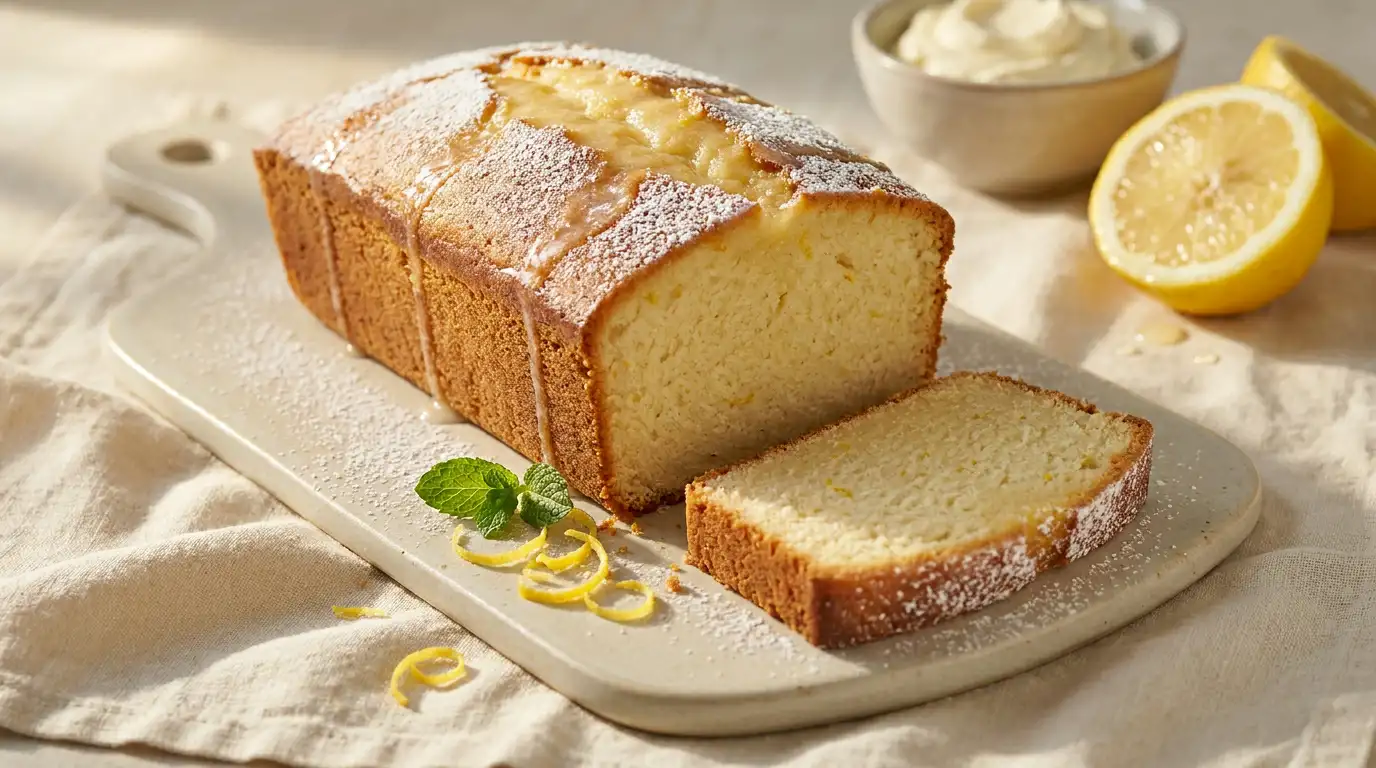
This lemon yoghurt cake is a pale golden, tender sponge with a fine, moist crumb and a bright citrus tang that cuts cleanly through every slice. The yoghurt keeps the texture soft and slightly dense without being heavy, while the lemon zest gives a fresh, aromatic lift to the whole bake.
What makes this version particularly reliable is how forgiving the batter is. It comes together quickly in one bowl, suits both a casual weekday tea and a weekend gathering, and produces consistent results without any fuss. From start to finish, it is ready in around 55 minutes.
Ingredients
For the sponge
- 175g self-raising flour
- 1 tsp baking powder
- 150g caster sugar
- 2 large eggs
- 125ml full-fat natural yoghurt
- 100ml sunflower oil or a neutral vegetable oil
- Finely grated zest of 2 unwaxed lemons
- 2 tbsp fresh lemon juice
For the lemon drizzle
- 3 tbsp fresh lemon juice
- 75g granulated sugar
To finish
- Icing sugar, for dusting (optional)
How to Make Mary Berry Lemon Yoghurt Cake Recipe
- Prepare the tin and oven: Heat the oven to 180°C (160°C fan, Gas 4). Grease a 900g (2lb) loaf tin and line the base and long sides with a strip of baking parchment, leaving a slight overhang to help with lifting out later.
- Combine the dry ingredients: Sift the self-raising flour and baking powder into a large mixing bowl, then stir in the caster sugar. Make a well in the centre of the dry mixture so the wet ingredients can be folded in without overworking the flour.
- Add the wet ingredients: Crack the eggs into the well, then add the yoghurt, oil, lemon zest and lemon juice all at once. Using a balloon whisk or wooden spoon, stir from the centre outward until the batter is just smooth and no dry pockets remain. Do not over-mix, as this can make the crumb tough.
- Fill the tin: Pour the batter into the prepared loaf tin and level the surface gently with a spatula. The batter will be quite fluid, which is normal for an oil-based cake.
- Bake the cake: Place on the middle shelf and bake for 35 to 40 minutes, until the top is evenly golden and a skewer inserted into the centre comes out clean. If the top colours too quickly after 25 minutes, lay a loose sheet of foil over it for the remaining time.
- Make the drizzle: While the cake is still warm in the tin, stir the lemon juice and granulated sugar together in a small bowl until the sugar is partially dissolved. The granulated sugar is used deliberately here as it creates a thin, lightly crunchy crust on top rather than soaking in entirely.
- Apply the drizzle: Use a skewer to poke 15 to 20 holes across the surface of the warm cake, going about halfway down. Spoon the lemon drizzle evenly over the top and leave the cake in the tin for at least 20 minutes so the drizzle can absorb.
- Cool and turn out: Lift the cake out using the parchment overhang and transfer to a wire rack to cool completely before slicing. Dust lightly with icing sugar just before serving if desired.
Tips for the Best Mary Berry Lemon Yoghurt Cake
Why has my lemon yoghurt cake come out too dense?
The most common cause is over-mixing the batter once the wet ingredients go in. Stir only until the flour disappears, then stop. Overworking develops the gluten and produces a tight, heavy crumb instead of a tender one.
Why is the top of my cake cracking down the middle?
A crack along the centre of a loaf cake is completely normal and actually desirable. It forms because the outside sets before the interior has finished rising. It does not indicate anything has gone wrong.
Why is my drizzle not soaking in properly?
The drizzle needs to go onto a warm cake with holes poked deeply enough. If the cake has cooled fully before the drizzle is applied, the top sets and the liquid sits on the surface rather than being drawn in. Always drizzle within five minutes of removing from the oven.
Why does my cake taste flat even though I used fresh lemons?
Flavour comes primarily from the zest, not the juice. If the lemons were not zested finely enough, or if the zest was grated too lightly and missed the yellow outer layer, the lemon flavour will be muted. Use a microplane grater and apply firm, even pressure against the skin.
Why is the base of my cake slightly wet or gummy?
This usually means the cake was underbaked or the oven temperature was too low. Always check with a skewer in the very centre of the loaf. If it comes out with wet batter on it, return the cake to the oven for a further five minutes before testing again.
Serving Suggestions
- Serve in thick slices with a cup of Earl Grey or Darjeeling tea for an afternoon treat.
- Pair with a spoonful of clotted cream and a few fresh raspberries for a slightly more indulgent plate.
- Slice thinly and arrange on a tiered stand alongside other small bakes for a proper afternoon tea spread.
- Serve at room temperature with a drizzle of runny honey over each slice for extra sweetness.
- Dust with icing sugar just before bringing to the table so it looks clean and fresh without any fuss.
Storage
Room temperature
Wrap the cooled cake in cling film or store in an airtight container at room temperature for up to three days.
Refrigerator
If the kitchen is warm, transfer the wrapped cake to the fridge where it will keep for up to five days. Bring it back to room temperature for about 30 minutes before serving, as the cold firms the crumb and mutes the citrus flavour slightly.
Freezing
Wrap the fully cooled cake tightly in a double layer of cling film, then place inside a freezer bag and freeze for up to two months. Defrost overnight at room temperature, still wrapped, to prevent condensation forming on the surface.
Nutrition
- Calories: 285 kcal
- Carbohydrates: 38g
- Protein: 4g
- Fat: 13g
- Saturated Fat: 2g
- Sodium: 160mg
Nutrition values are estimates and may vary depending on the specific ingredients used and the exact serving size.
FAQs
Can I use Greek yoghurt instead of natural yoghurt in this recipe?
Yes, full-fat Greek yoghurt works well and gives a slightly richer, creamier result. Avoid low-fat versions of either yoghurt type, as the reduced fat content can make the crumb drier and less tender.
Can I make this lemon yoghurt cake in a round tin instead of a loaf tin?
A 20cm round cake tin works perfectly. The baking time will reduce to around 25 to 30 minutes, so start checking with a skewer from the 25-minute mark. The drizzle method remains the same.
Can I use bottled lemon juice instead of fresh lemons?
Fresh lemon juice gives a brighter, cleaner flavour, particularly in the drizzle. Bottled juice can be used in the batter as a substitute, but the zest must still come from fresh unwaxed lemons as bottled juice contains none of the aromatic oils that define the flavour of this cake.
Can I make this lemon yoghurt cake ahead of time for a party?
This cake actually improves slightly the day after baking, once the drizzle has fully absorbed and the lemon flavour has had time to deepen. Bake it the day before, wrap it tightly once cooled, and store at room temperature until needed.
Can I add poppy seeds to this recipe?
Two tablespoons of poppy seeds stirred into the dry ingredients before the wet ingredients are added works well. They add a gentle nuttiness and a slight crunch to the crumb without changing the balance of the recipe.
Conclusion
This Mary Berry lemon yoghurt cake is a genuinely straightforward bake that delivers a moist, citrus-bright sponge with a pleasingly crisp drizzle crust. The method is simple enough for a first-time baker, and the one-bowl approach means less washing up. It yields eight generous slices from a standard loaf tin, making it a practical option for sharing.
Whether it is cut into for an afternoon tea or wrapped up as a gift, the clean lemon flavour and soft, tender crumb make it a reliable choice across seasons. If you try this recipe, leave a comment below to share how it turned out, and feel free to share it with anyone who loves a classic citrus bake. If you enjoyed this, you might also like the Mary Berry buttermilk pancakes recipe for another simple, satisfying bake from the same kitchen.
Mary Berry Lemon Yoghurt Cake Recipe
Course: DessertCuisine: BritishDifficulty: Easy8
servings15
minutes40
minutes285
kcal55
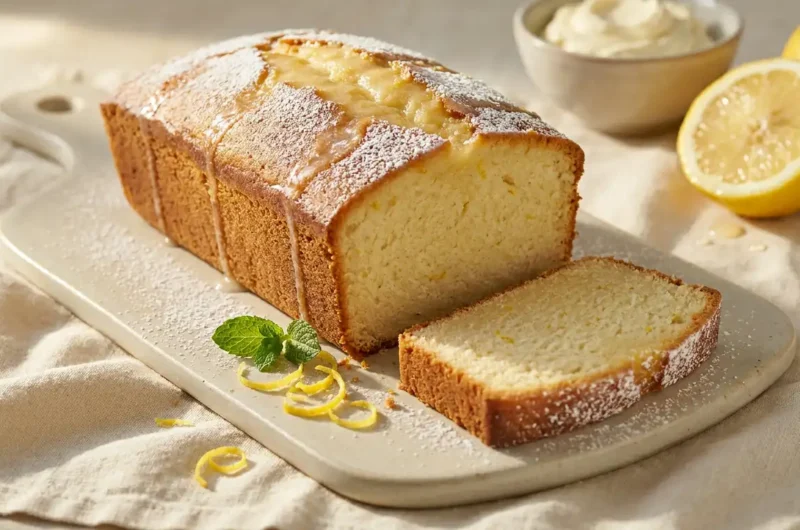
minutesA pale golden, tender sponge with a fine moist crumb and a bright citrus tang. Made in one bowl with natural yoghurt and finished with a lemon drizzle that forms a lightly crunchy crust on top.
Ingredients
175g self-raising flour
1 tsp baking powder
150g caster sugar
2 large eggs
125ml full-fat natural yoghurt
100ml sunflower oil or a neutral vegetable oil
finely grated zest of 2 unwaxed lemons
2 tbsp fresh lemon juice
3 tbsp fresh lemon juice for the drizzle
75g granulated sugar for the drizzle
icing sugar for dusting optional
Instructions
- Heat the oven to 180°C (160°C fan, Gas 4). Grease a 900g loaf tin and line the base and long sides with a strip of baking parchment, leaving a slight overhang.
- Sift the self-raising flour and baking powder into a large mixing bowl, then stir in the caster sugar. Make a well in the centre of the dry mixture.
- Crack the eggs into the well, then add the yoghurt, oil, lemon zest and lemon juice all at once. Stir from the centre outward until the batter is just smooth and no dry pockets remain. Do not over-mix.
- Pour the batter into the prepared loaf tin and level the surface gently with a spatula.
- Place on the middle shelf and bake for 35 to 40 minutes, until the top is evenly golden and a skewer inserted into the centre comes out clean.
- While the cake is still warm in the tin, stir the lemon juice and granulated sugar together in a small bowl until the sugar is partially dissolved.
- Use a skewer to poke 15 to 20 holes across the surface of the warm cake, going about halfway down. Spoon the lemon drizzle evenly over the top and leave the cake in the tin for at least 20 minutes.
- Lift the cake out using the parchment overhang and transfer to a wire rack to cool completely before slicing. Dust lightly with icing sugar just before serving if desired.
Notes
- Do not over-mix the batter once the wet ingredients go in, stir only until the flour disappears.
- A crack along the centre of the loaf is normal and indicates a good rise.
- Always apply the drizzle within five minutes of removing the cake from the oven while it is still warm.
- Use a microplane grater and firm pressure to get the most flavour from the lemon zest.
- Full-fat natural yoghurt or full-fat Greek yoghurt both work well in this recipe.
- Two tablespoons of poppy seeds can be stirred into the dry ingredients for added texture.