Mary Berry Chocolate Cake with Oil Recipe
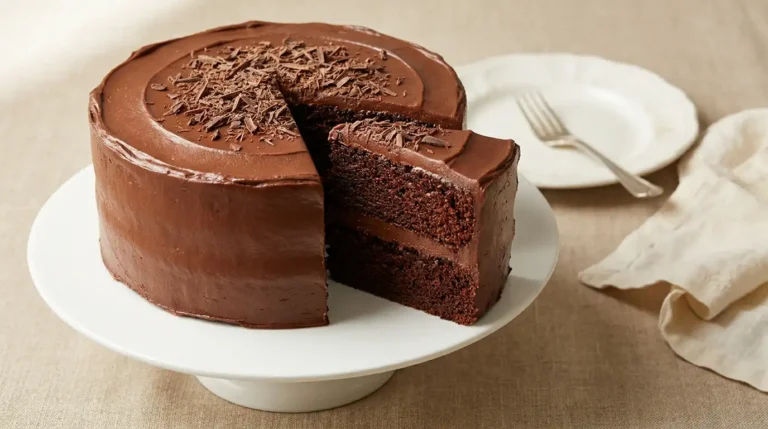
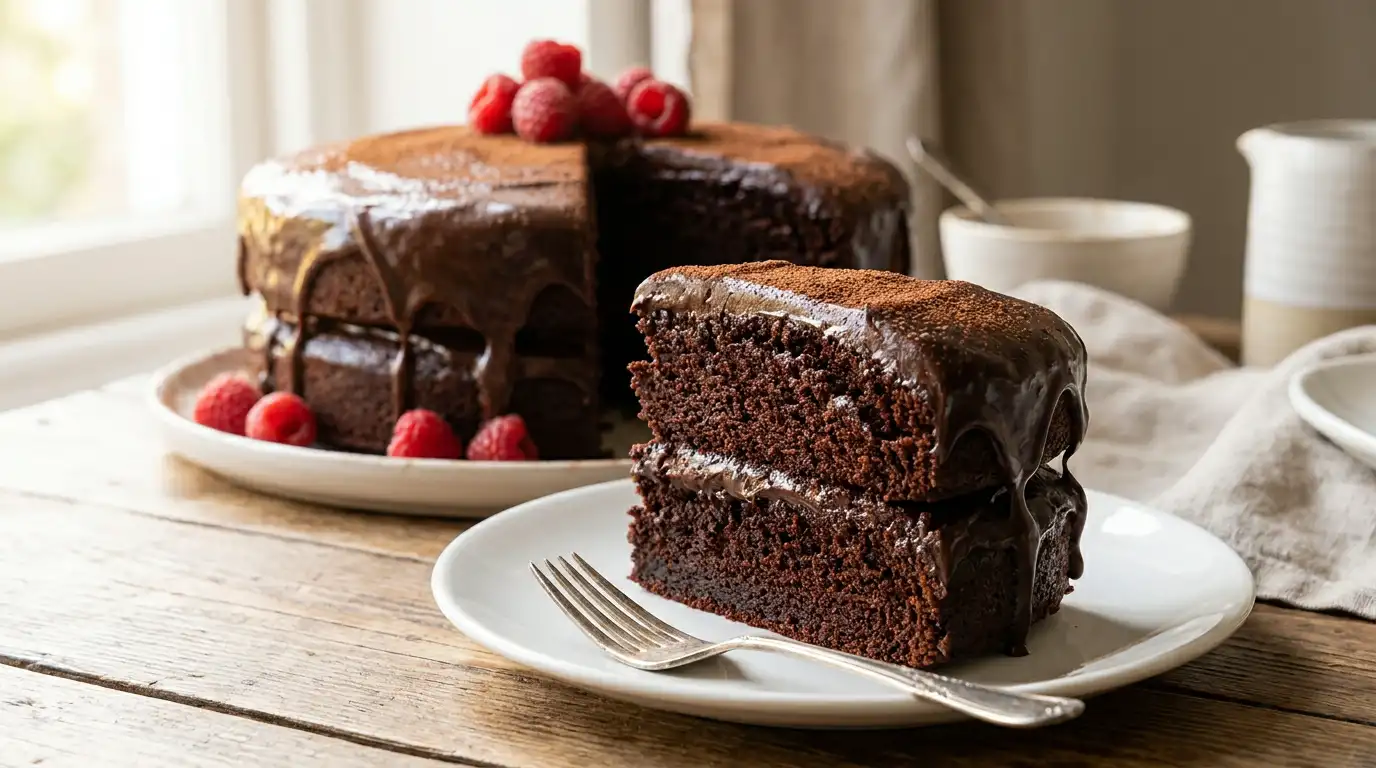
This chocolate cake with oil is a deep, dark, moist sponge with a tender, close crumb that holds its shape cleanly when sliced. The ganache-style frosting sets to a glossy, fudgy finish that clings to each layer without sliding or cracking. It is the kind of cake that looks far more involved than it actually is, which makes it ideal for birthdays, celebrations, or a reliable weekend bake. From mixing bowl to finished cake, it takes around 1 hour and 15 minutes.
Using oil instead of butter keeps the crumb soft for days, and the batter comes together quickly without any creaming stage. This mary berry chocolate cake with oil recipe is straightforward enough for a first-time baker, yet consistent enough to become a regular in the rotation.
Ingredients
- For the sponge
- 225g plain flour
- 250g caster sugar
- 50g cocoa powder, sifted
- 1.5 tsp bicarbonate of soda
- 1 tsp baking powder
- 0.5 tsp fine salt
- 2 large eggs, at room temperature
- 240ml whole milk
- 180ml sunflower oil or a neutral vegetable oil
- 2 tsp vanilla extract
- 240ml boiling water
- For the chocolate frosting
- 200g dark chocolate (70% cocoa solids), finely chopped
- 200ml double cream
- 30g unsalted butter, cubed
- 1 tbsp golden syrup
How to Make Mary Berry Chocolate Cake with Oil
- Prepare the tins: Grease two 20cm round sandwich tins and line the bases with baking parchment. Preheat the oven to 180C fan or 160C conventional.
- Combine the dry ingredients: Sift the flour, cocoa powder, bicarbonate of soda, baking powder, and salt into a large mixing bowl. Stir in the caster sugar until evenly distributed. Keeping the dry ingredients together before adding wet ingredients ensures the raising agents are spread throughout the batter with no dense pockets.
- Mix the wet ingredients: In a jug, whisk together the eggs, milk, oil, and vanilla extract until smooth and pale.
- Combine the batter: Pour the wet mixture into the dry ingredients and beat with an electric hand whisk or stand mixer on medium speed for about one minute until a smooth, thick batter forms.
- Add the boiling water: Carefully pour in the boiling water and mix on low speed until fully incorporated. The batter will look very thin at this stage, which is correct. The hot water blooms the cocoa, deepening both colour and flavour.
- Bake the sponges: Divide the batter evenly between the two prepared tins and bake on the middle shelf for 30 to 35 minutes, until the surface springs back when lightly pressed and a skewer inserted into the centre comes out clean.
- Cool the sponges: Leave the cakes in their tins for 10 minutes, then turn out onto a wire rack and peel away the parchment. Allow to cool completely before frosting, as even slight warmth will melt the ganache.
- Make the frosting: Place the chopped chocolate, butter, and golden syrup into a heatproof bowl. Heat the double cream in a small saucepan until it just begins to simmer, then pour it over the chocolate mixture. Leave undisturbed for two minutes, then stir from the centre outward until silky and smooth.
- Set the frosting: Leave the ganache to cool at room temperature, stirring occasionally, until it thickens to a spreadable consistency that holds its shape on a spatula. This takes around 30 to 45 minutes depending on the temperature of the kitchen.
- Assemble the cake: Spread roughly one third of the frosting over the flat base of one sponge. Place the second sponge on top, then use the remaining frosting to cover the top and sides with smooth, even strokes.
Tips for the Best Mary Berry Chocolate Cake with Oil
Why is my oil-based chocolate cake dense rather than light?
Overmixing the batter after adding the boiling water is the most common cause. Mix only until the water is just combined, then stop. Extended mixing at this stage develops gluten, which tightens the crumb and makes the finished cake feel heavy.
Why did my chocolate sponge dome and crack on top?
The oven temperature is likely too high. Fan ovens run hotter than the dial suggests, so if the top cracks and domes steeply, reduce the temperature by 10 degrees and check the cake five minutes earlier than stated. A domed top also flattens out once cooled and frosted.
Why has my ganache frosting turned grainy or split?
The cream was too hot when it hit the chocolate, or the mixture was stirred too vigorously too soon. If it splits, add a tablespoon of warm milk and stir gently in slow circles from the centre. This usually brings it back to a smooth, glossy finish.
How do I stop the bottom of my cake from sticking to the tin?
This batter is quite wet, so lining the base of the tin with parchment is essential, not optional. Greasing the sides of the tin lightly with butter or oil spray and then turning the cakes out after exactly 10 minutes of resting prevents the sponge from pulling away at the edges.
Why does my chocolate cake taste more bitter than expected?
Cocoa powder varies significantly in intensity depending on the brand. Dutch-process cocoa is mellower and darker; natural cocoa is sharper and more acidic. If the finished cake tastes bitter, reduce the cocoa by 10g and add an extra tablespoon of caster sugar the next time.
Serving Suggestions
- Serve at room temperature for the best flavour, as cold ganache mutes the chocolate depth significantly.
- Add a scoop of good vanilla ice cream alongside each slice for a dinner party dessert that needs no further decoration.
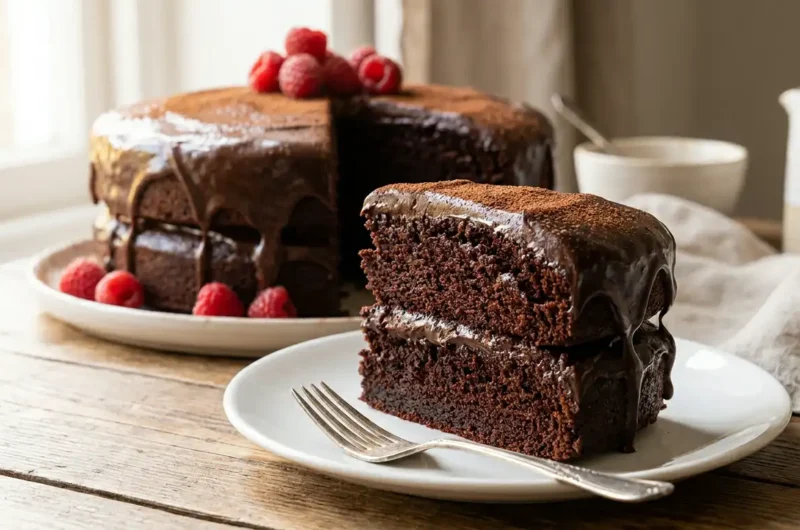
- Finish the top with a light dusting of cocoa powder pushed through a fine sieve for a clean, professional look.
- Pair with a strong cup of Assam or English Breakfast tea, which cuts through the richness of the frosting.
- Arrange fresh raspberries around the top edge before serving for a sharp fruit contrast that balances the dense chocolate crumb.
Storage
Room Temperature
Store the finished cake in an airtight tin or cake dome at room temperature for up to three days.
Refrigerator
Keep the cake in an airtight container in the fridge for up to five days. Remove it at least 30 minutes before serving, as the ganache firms significantly when chilled and the sponge loses its soft texture straight from the fridge.
Freezing
Freeze the un-frosted sponge layers individually, wrapped tightly in cling film and then in foil, for up to two months. Defrost overnight at room temperature, then make the frosting fresh before assembling.
Nutrition
- Calories: 480 kcal
- Carbohydrates: 55g
- Protein: 6g
- Fat: 27g
- Saturated Fat: 12g
- Sodium: 310mg
Nutrition values are estimates based on standard ingredient brands and an even 10-slice serving. Actual values may vary depending on the specific ingredients used and the size of each portion.
FAQs
Can I use melted butter instead of oil in this chocolate cake recipe?
Butter can replace oil in equal quantities by weight, but it will change the texture. Oil stays liquid at room temperature, which is what keeps the crumb soft and moist over several days. A butter version will firm up more quickly and have a richer flavour, but the sponge will be slightly denser.
Can I make this chocolate cake in a single deep tin instead of two sandwich tins?
A single 23cm deep round tin works, but the baking time increases to 50 to 60 minutes. Check with a skewer from 45 minutes onwards. The centre can remain unbaked while the edges appear done, so patience is important here.
Can I use milk chocolate instead of dark chocolate in the frosting?
Milk chocolate can be used, but the frosting will be significantly sweeter and softer. Reduce the double cream by 30ml to compensate for the higher sugar content in milk chocolate, which affects how firmly the ganache sets.
Can I make this cake a day ahead of serving?
The cake actually improves overnight, as the sponge has time to settle and the ganache firms to an even, sliceable layer. Assemble fully the day before and store in an airtight container at room temperature, away from direct sunlight.
Can I make this recipe as cupcakes instead of a layer cake?
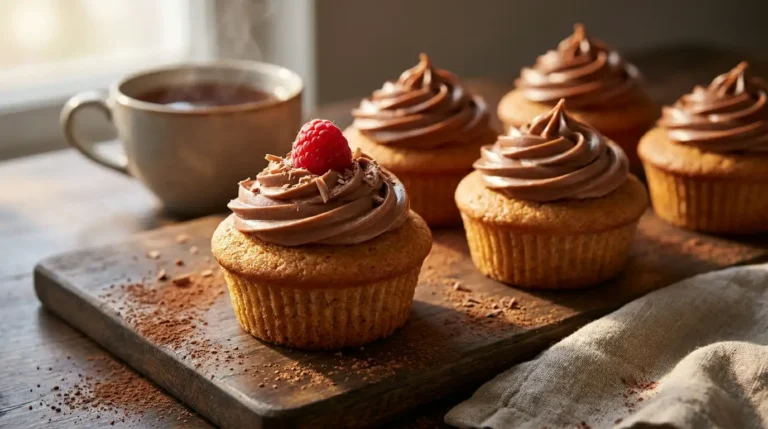
The batter works well in a 12-hole muffin tin lined with cases. Fill each case no more than two thirds full and bake at 180C fan for 18 to 20 minutes. The ganache, once thickened, can be piped or spooned onto each cooled cupcake.
Conclusion
This mary berry chocolate cake with oil recipe delivers a reliably moist, dark sponge with a glossy ganache frosting that sets firmly and slices cleanly. The oil-based method removes the need for softened butter or an extended creaming process, which makes the batter quick to assemble and very forgiving for less experienced bakers. The recipe makes 10 generous slices, comfortably serving a family gathering or small celebration.
Whether baking it for a birthday or simply making something to last through the week, this cake holds its texture and flavour far longer than a traditional butter sponge. If you have enjoyed this recipe, share it with someone who would appreciate a reliable chocolate cake. You might also enjoy the Mary Berry cheese and onion quiche recipe for a completely different kind of bake that is just as straightforward and satisfying.
Mary Berry Chocolate Cake with Oil Recipe
Course: DessertCuisine: BritishDifficulty: Easy10
servings20
minutes35
minutes480
kcal1
hour15
minutesA deep, dark, moist chocolate sponge made with oil instead of butter, finished with a glossy, fudgy ganache frosting. This reliable cake is quick to mix and perfect for birthdays or weekend baking.
Ingredients
225g plain flour
250g caster sugar
50g cocoa powder, sifted
1.5 tsp bicarbonate of soda
1 tsp baking powder
0.5 tsp fine salt
2 large eggs, at room temperature
240ml whole milk
180ml sunflower oil or a neutral vegetable oil
2 tsp vanilla extract
240ml boiling water
200g dark chocolate (70% cocoa solids), finely chopped
200ml double cream
30g unsalted butter, cubed
1 tbsp golden syrup
Instructions
- Grease two 20cm round sandwich tins and line the bases with baking parchment. Preheat the oven to 180C fan or 160C conventional.
- Sift the flour, cocoa powder, bicarbonate of soda, baking powder, and salt into a large mixing bowl, then stir in the caster sugar until evenly distributed.
- In a jug, whisk together the eggs, milk, oil, and vanilla extract until smooth and pale.
- Pour the wet mixture into the dry ingredients and beat on medium speed for about one minute until a smooth, thick batter forms.
- Carefully pour in the boiling water and mix on low speed until fully incorporated, even though the batter will look thin.
- Divide the batter evenly between the two prepared tins and bake for 30 to 35 minutes, until a skewer inserted into the centre comes out clean.
- Leave the cakes in their tins for 10 minutes, then turn out onto a wire rack and cool completely before frosting.
- Place the chopped chocolate, butter, and golden syrup into a heatproof bowl, pour over the just-simmered double cream, leave for two minutes, then stir until silky and smooth.
- Leave the ganache to cool at room temperature, stirring occasionally, until it thickens to a spreadable consistency.
- Spread a third of the frosting over one sponge, top with the second sponge, then cover the top and sides with the remaining frosting.
Notes
- Mix only until the boiling water is just combined to avoid a dense crumb.
- Reduce oven temperature by 10 degrees if the top domes or cracks excessively.
- If the ganache splits, add a tablespoon of warm milk and stir gently to bring it back together.
- Line the tin base with parchment, as this batter is too wet to release cleanly otherwise.
- Adjust cocoa powder slightly if the finished cake tastes more bitter than expected.
- The cake can be frozen un-frosted for up to two months and frosted fresh after defrosting.