Mary Berry Ginger Sponge Pudding Recipe
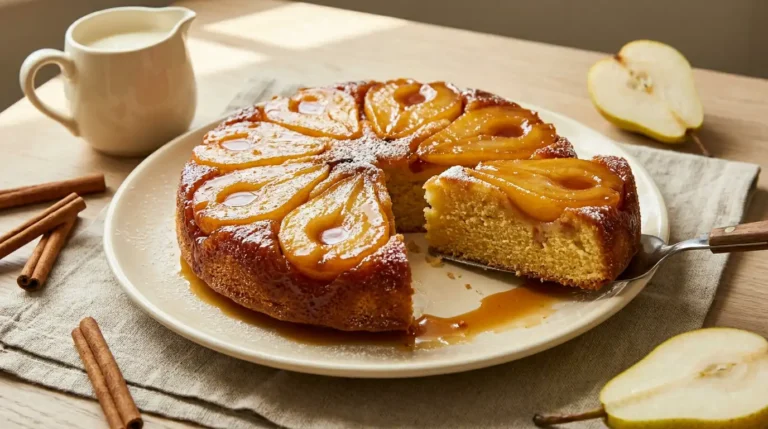
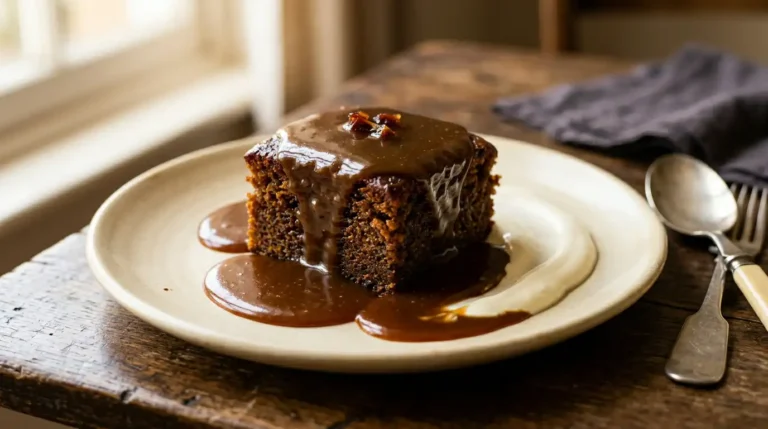
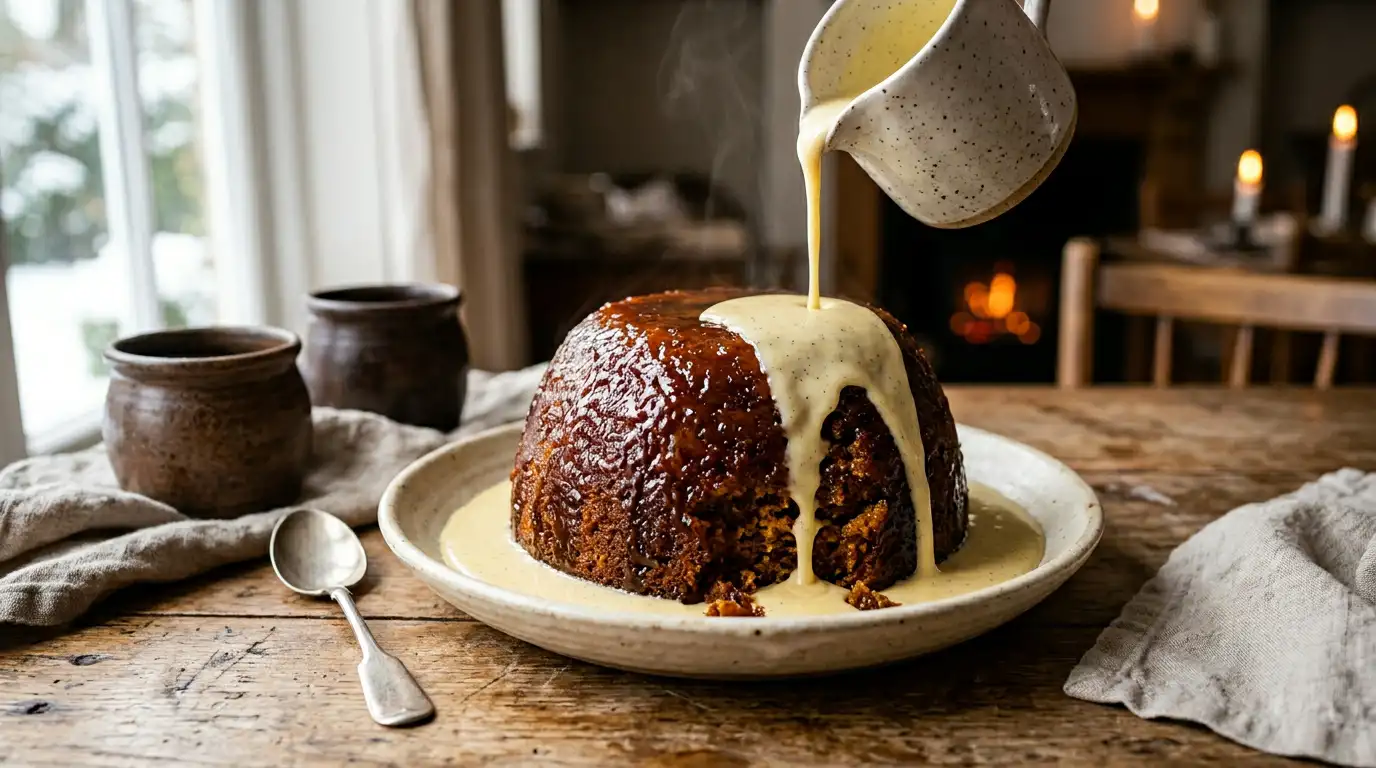
This Mary Berry ginger sponge pudding is a deeply warming, golden-crumbed steamed sponge with a tender, close-grained texture and a clean, fiery heat from ground ginger that lingers pleasantly on the finish. Pools of treacle-dark syrup gather beneath every serving, giving each portion a glossy, amber-coloured base that contrasts beautifully with the pale, springy sponge above.
What makes this recipe stand out is its reliability. The method uses simple creaming technique with storecupboard ingredients, so even a first-time baker can achieve a properly risen, evenly cooked pudding without specialist equipment. It works equally well as a weekday treat or a comforting Sunday dinner dessert for the whole family. From start to finish, it is ready in around 1 hour and 15 minutes.
Ingredients
- 125g unsalted butter, softened
- 125g golden caster sugar
- 2 large eggs, at room temperature
- 150g self-raising flour
- 2 tsp ground ginger
- ½ tsp ground cinnamon
- 2 tbsp whole milk
- 1 tbsp black treacle
- 3 tbsp golden syrup
- 1 tbsp black treacle
- 1 tsp ground ginger
- Butter, for greasing the basin
- Double cream or custard, to serve
How to Make Mary Berry Ginger Sponge Pudding
Prepare the basin and syrup base
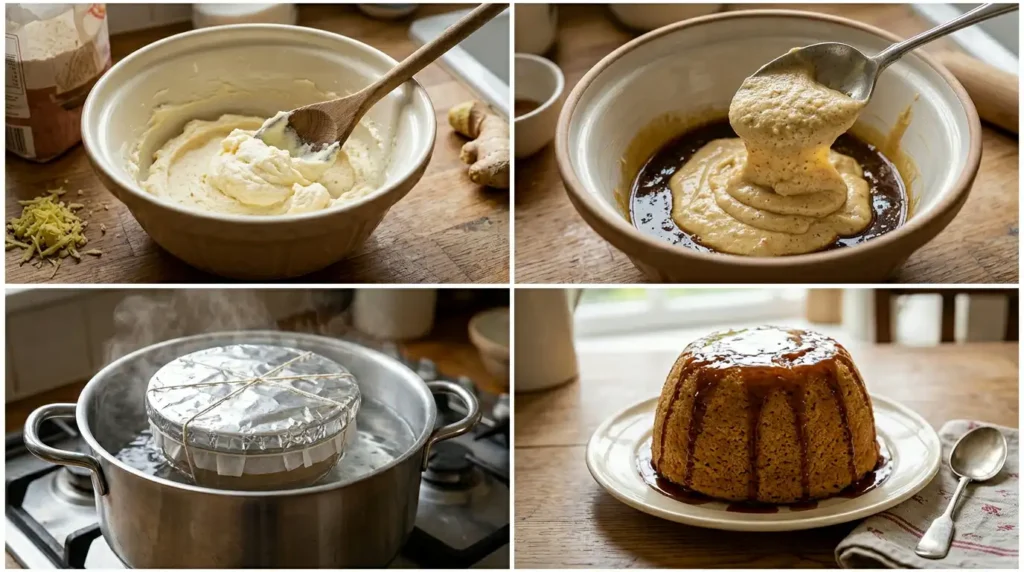
Generously grease a 1-litre pudding basin with softened butter, making sure to coat the rim. Spoon the golden syrup, black treacle, and ground ginger into the base of the basin and stir gently with a spoon to combine, then set aside. This sticky layer will become the glossy topping once the pudding is turned out.
Prepare the steamer
Half-fill a large, deep saucepan with water and place a small upturned heatproof saucer or trivet in the base. Bring the water to a gentle simmer over medium heat. The trivet keeps the basin off direct heat, preventing the base of the pudding from scorching during steaming.
Cream the butter and sugar
Beat the softened butter and golden caster sugar together in a large bowl using a wooden spoon or electric hand mixer until the mixture is pale, noticeably lighter in colour, and fluffy in texture. This should take around 3 to 4 minutes. Properly creamed butter and sugar traps enough air to help the sponge rise evenly without a dense crumb.
Add eggs and treacle
Beat in the eggs one at a time, adding a tablespoon of flour with the second egg to prevent the batter from curdling. Stir in the tablespoon of black treacle, which gives the sponge its warm, dark colour and deep molasses flavour. Mix until just combined.
Fold in the flour and spices
Sift the remaining self-raising flour, ground ginger, and ground cinnamon directly into the bowl. Using a large metal spoon, fold the dry ingredients through the batter in slow, sweeping movements, then stir in the milk to loosen the mixture to a soft, dropping consistency. Do not overmix at this stage, as overworking the flour develops gluten and toughens the sponge.
Fill and cover the basin
Spoon the batter carefully over the syrup mixture in the pudding basin and smooth the surface level with a spatula. Cut a circle of greaseproof paper and a circle of foil, each around 30cm across. Place the paper on top of the foil, make a 2cm pleat in the centre of both layers to allow for expansion, then lay them paper-side-down over the basin and secure tightly with kitchen string tied under the rim.
Steam the pudding
Lower the basin carefully into the simmering saucepan and cover the pan with a tight-fitting lid. Steam over a steady medium-low heat for 1 hour, checking every 20 minutes to top up the water level if needed. The pudding is ready when a skewer inserted through the foil and paper comes out with only moist crumbs, not wet batter.
Turn out and serve
Carefully lift the basin from the pan using oven gloves and leave it to stand for 5 minutes before removing the foil and paper. Run a palette knife or thin spatula around the inner edge of the basin to loosen the sponge, then invert a warmed serving plate firmly over the top and flip in one confident motion. The amber syrup will run down the sides of the sponge. Serve immediately.
Tips for the Best Mary Berry Ginger Sponge Pudding
01 Why is my ginger sponge pudding dense and heavy instead of light and springy?
02 Why did my pudding stick to the basin and not turn out cleanly?
03 Why does my pudding have a wet, gummy centre even after the full steaming time?
04 How do I stop the water in the steamer from boiling dry mid-way through cooking?
05 Why is the ginger flavour mild after baking even though I used the correct amount?
Serving Suggestions
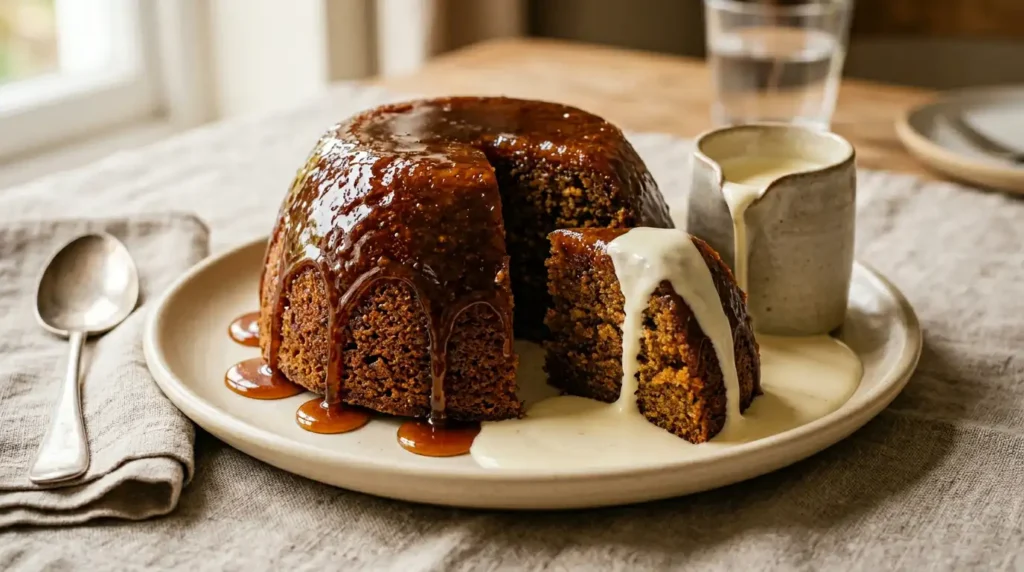
Serve warm with a generous pour of double cream, letting it pool around the base of the pudding and cut through the sweetness of the treacle syrup.
Spoon alongside a jug of warm homemade vanilla custard for a classic British pudding pairing that works well for Sunday lunch or a family dinner party.
Add a single scoop of good-quality clotted cream or vanilla ice cream placed directly on the warm sponge, where it melts slowly into the syrup for a rich, contrasting finish.
Dust lightly with icing sugar just before bringing to the table to give the surface a clean, white finish against the amber syrup, which works well for a more formal occasion.
Pair with a cup of strong builder’s tea or a malty Assam blend when serving as an afternoon treat, as the tannins in the tea balance the sweetness and spice of the pudding well.
Storage
Room Temperature
Cover the pudding loosely with foil and keep at room temperature for up to one day, as the syrup can become sticky and the sponge may dry slightly beyond this point.
Refrigerator
Transfer leftover portions to an airtight container and refrigerate for up to 3 days. Bring to room temperature for 20 minutes before reheating, then warm individual portions in a microwave for 60 to 90 seconds until piping hot throughout, which restores the soft, springy texture.
Freezing
Wrap the cooled pudding tightly in cling film and then a layer of foil, and freeze for up to 3 months. Defrost overnight in the refrigerator and reheat as above, checking it is steaming hot all the way through before serving.
Nutrition
FAQs
01 Can I use stem ginger instead of ground ginger in this pudding?
02 Can I make this ginger sponge pudding ahead of time?
03 Can I bake this pudding in the oven instead of steaming it?
04 Can I use self-raising flour and baking powder together to get a better rise?
05 Can I make individual ginger sponge puddings using small ramekins or dariole moulds instead of one large basin?
Conclusion
This Mary Berry ginger sponge pudding is a reassuringly straightforward British classic that delivers a properly golden, tender sponge with a fiery ginger warmth and a glossy treacle syrup every single time. The recipe yields 6 generous portions, making it a practical and satisfying choice for a family dessert or a casual dinner with friends. The steaming method keeps the crumb moist from base to top, and the syrup layer turns out to a glossy, amber coating that makes the pudding as visually appealing as it is comforting.
If you give this recipe a go, leave a comment below to share how it turned out. Questions about the method are always welcome, and if you found this recipe useful, sharing it with friends or family who enjoy a classic steamed pudding is always appreciated. If you enjoyed this, you might also like the Mary Berry coffee and walnut cake recipe, another timeless bake that is equally reliable and satisfying.
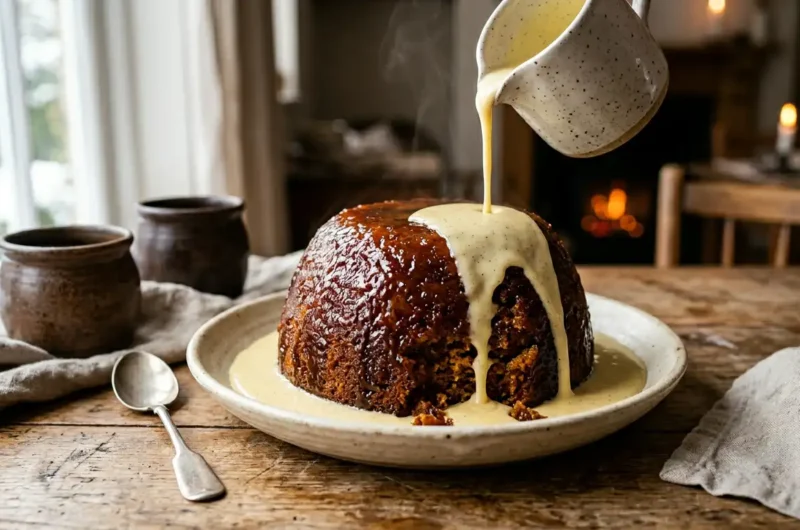
Mary Berry Ginger Sponge Pudding Recipe
Course: DessertCuisine: BritishDifficulty: Easy6
servings15
minutes1
hour390
kcal1
hour15
minutesA deeply warming British steamed sponge pudding with a tender, close-grained crumb, fiery ground ginger heat, and a glossy treacle syrup that pools around every serving. Beginner-friendly and ready in just over an hour.
Ingredients
125g unsalted butter, softened
125g golden caster sugar
2 large eggs, at room temperature
150g self-raising flour
2 tsp ground ginger
1/2 tsp ground cinnamon
2 tbsp whole milk
1 tbsp black treacle
3 tbsp golden syrup
1 tbsp black treacle for syrup base
1 tsp ground ginger for syrup base
butter for greasing the basin
double cream or custard to serve
Instructions
- Generously grease a 1-litre pudding basin with softened butter, coating the rim. Spoon the golden syrup, black treacle, and ground ginger into the base and stir to combine, then set aside.
- Half-fill a large deep saucepan with water and place a small upturned heatproof saucer or trivet in the base. Bring the water to a gentle simmer over medium heat.
- Beat the softened butter and golden caster sugar together until pale, noticeably lighter in colour, and fluffy in texture, around 3 to 4 minutes.
- Beat in the eggs one at a time, adding a tablespoon of flour with the second egg. Stir in the tablespoon of black treacle and mix until just combined.
- Sift the remaining self-raising flour, ground ginger, and ground cinnamon into the bowl. Fold through with a large metal spoon, then stir in the milk to reach a soft dropping consistency.
- Spoon the batter over the syrup mixture in the basin and smooth the surface. Make a pleated cover from greaseproof paper and foil and secure tightly with kitchen string under the rim.
- Lower the basin into the simmering saucepan, cover with a tight-fitting lid, and steam over medium-low heat for 1 hour, topping up the water every 20 minutes as needed.
- Lift the basin out, leave to stand for 5 minutes, then run a palette knife around the inner edge. Invert onto a warmed serving plate and serve immediately with double cream or custard.
Notes
- Cream the butter and sugar for at least 3 to 4 minutes until genuinely pale and fluffy for the lightest crumb.
- Add a tablespoon of flour with the second egg to prevent the batter from curdling.
- Use a fresh jar of ground ginger as the spice loses its heat quickly once opened.
- Always use boiling water to top up the steamer, never cold, to maintain a steady temperature.
- Make a 2cm pleat in the foil and paper cover to allow room for the sponge to expand during steaming.
- Run a palette knife around the basin edge before turning out to release the sponge cleanly.
- Individual portions can be made in 150ml dariole moulds, steamed for 35 to 40 minutes.