Mary Berry Sausage Lasagne Recipe
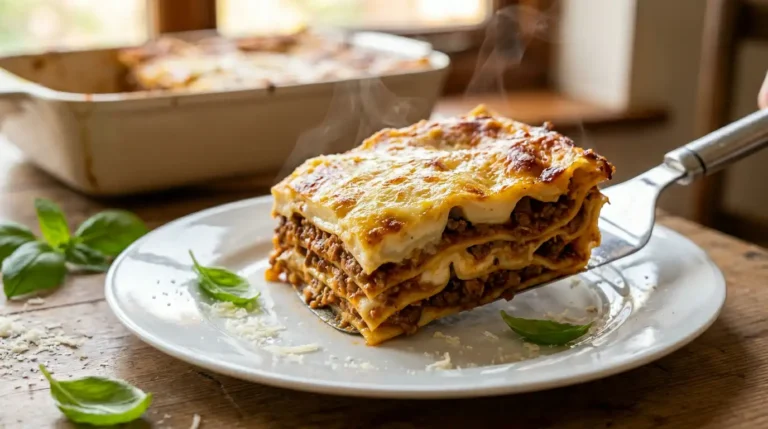
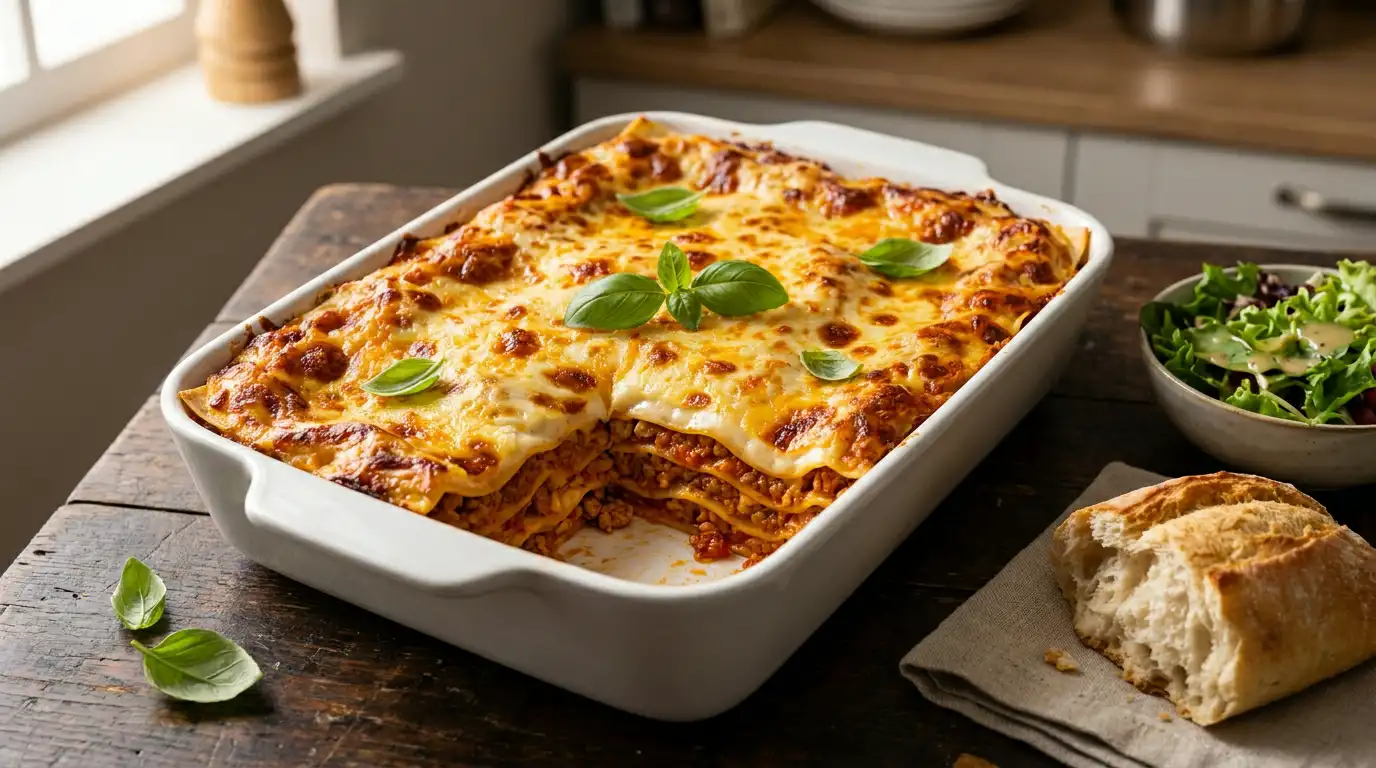
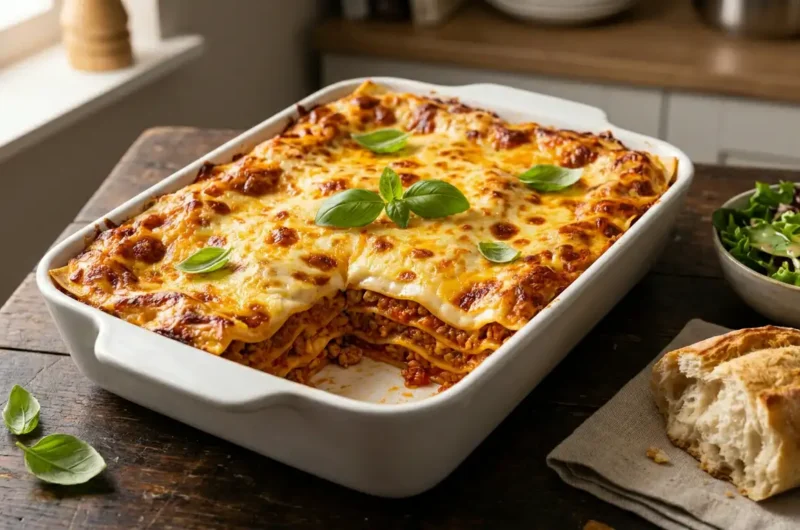
This sausage lasagne is a hearty, golden-topped bake with layers of richly seasoned pork mince, a gently spiced tomato sauce, and a silky, thick béchamel that sets into a creamy, just-firm finish when sliced. The pasta sheets soak up every bit of flavour as they cook, giving the finished dish a tender, cohesive texture that holds its shape on the plate. This version is straightforward to assemble, uses widely available ingredients, and delivers the kind of crowd-pleasing result that works equally well for a midweek family dinner or a relaxed weekend gathering. From start to finish, it is ready in around 1 hour 30 minutes.
Ingredients
For the meat sauce
- 500g good-quality pork sausages, skins removed
- 1 medium onion, finely chopped
- 2 garlic cloves, finely chopped
- 1 medium carrot, peeled and finely diced
- 1 celery stick, finely diced
- 400g tin chopped tomatoes
- 2 tbsp tomato purée
- 150ml beef stock
- 1 tsp dried oregano
- 1 tsp dried thyme
- 1 tbsp olive oil
- Salt and freshly ground black pepper
For the béchamel sauce
- 50g unsalted butter
- 50g plain flour
- 600ml whole milk, warmed
- ½ tsp freshly grated nutmeg
- Salt and white pepper, to taste
For the lasagne
- 9 dried lasagne sheets (no pre-cook variety)
- 75g mature Cheddar, coarsely grated
- 25g Parmesan, finely grated
How to Make Mary Berry Sausage Lasagne Recipe
- Preheat the oven: Set the oven to 190°C (170°C fan, gas mark 5) and allow it to come fully up to temperature before the lasagne goes in.
- Brown the sausage meat: Heat the olive oil in a large, deep frying pan over a medium-high heat. Add the sausage meat, breaking it up with a wooden spoon, and fry for 6 to 8 minutes until the pieces are deeply golden all over, this develops a savoury base that carries through the whole dish. Transfer to a plate and set aside.
- Cook the vegetables: Reduce the heat to medium and add the onion, carrot and celery to the same pan. Cook for 7 to 8 minutes, stirring occasionally, until softened and starting to take on a little colour. Add the garlic and cook for a further minute.
- Build the meat sauce: Return the browned sausage meat to the pan. Stir in the tomato purée, oregano and thyme, then pour in the chopped tomatoes and stock. Stir well to combine. Leave the sauce to simmer gently, uncovered, for 15 minutes until it thickens slightly and the liquid reduces. Season well with salt and black pepper.
- Make the béchamel: Melt the butter in a medium saucepan over a low heat. Add the flour all at once and stir vigorously for 1 to 2 minutes to cook out the raw flour taste. Remove from the heat and pour in the warmed milk a little at a time, whisking constantly to keep the sauce smooth. Return to a medium heat and continue whisking until the sauce thickens enough to coat the back of a spoon, around 5 minutes. Season with nutmeg, salt and white pepper.
- Layer the lasagne: Spread a thin layer of meat sauce across the base of a 30 x 20cm baking dish. Lay three lasagne sheets on top, breaking them slightly if needed to fit. Add a third of the remaining meat sauce, then spoon over a quarter of the béchamel. Repeat the layers twice more, finishing with the final quarter of béchamel spread evenly over the top.
- Add the cheese topping: Mix the grated Cheddar and Parmesan together and scatter evenly over the béchamel layer, this blend gives a golden, slightly crisp topping with a good depth of flavour.
- Bake the lasagne: Place the dish on the middle shelf of the preheated oven and bake for 35 to 40 minutes, until the top is bubbling, golden and the pasta is fully tender when tested with a sharp knife. Allow to rest for 10 minutes before cutting and serving.
Tips for the Best Sausage Lasagne
Why is my lasagne watery when I cut into it?
The meat sauce was not reduced for long enough before assembling. Simmer it uncovered until it looks visibly thicker and most of the liquid has cooked off. A wet sauce cannot be absorbed properly by the pasta sheets during baking.
Why is my béchamel lumpy?
Adding cold milk all at once is the main cause of lumps. Use milk that has been warmed in a small saucepan or in the microwave, and pour it in a steady stream while whisking continuously. If lumps do appear, pass the sauce through a fine sieve before using.
Why are my pasta sheets still hard after baking?
Dry lasagne sheets need sufficient moisture from the surrounding sauces to rehydrate during baking. Make sure the meat sauce is well-sauced and that both sauces extend to the very edges of the dish, covering the ends of the pasta sheets completely.
Why does the cheese topping burn before the pasta is cooked through?
If the topping browns too quickly, loosely tent the dish with foil after about 20 minutes of baking. Remove the foil for the final 10 minutes to allow the cheese to crisp up to a deep golden colour.
How do I stop the lasagne from being too rich and heavy?
A slightly thinner béchamel helps, as does making sure the meat sauce is well-seasoned with enough acidity from the tomatoes. Using a medium rather than full-fat sausage also lightens the overall dish without losing flavour.
Serving Suggestions
- Serve with a crisp green salad dressed simply with lemon juice and olive oil to cut through the richness of the cheese topping.
- Offer warm crusty bread on the side to scoop up the sauce that settles at the edges of the dish.
- Pair with a lightly steamed tenderstem broccoli or roasted courgette for a straightforward vegetable accompaniment.
- Spoon a small portion alongside garlic bread for a more indulgent, casual Friday-night supper.
- Finish the plate with a light scatter of fresh basil leaves just before serving for a clean, fragrant lift.
Storage
Room temperature
Once cooled, cover the dish tightly and keep at room temperature for no more than 2 hours before refrigerating.
Refrigerator
Transfer leftover lasagne to an airtight container or cover the baking dish well with cling film and refrigerate for up to 3 days. Bring to room temperature for 20 minutes before reheating in a 180°C oven, covered with foil, until piping hot throughout.
Freezing
Allow the lasagne to cool completely, then portion into individual servings and wrap each piece tightly in cling film followed by a layer of foil. Freeze for up to 3 months. Defrost in the refrigerator overnight and reheat as above until the centre reaches a steaming hot temperature.
Nutrition
- Calories: 480 kcal
- Carbohydrates: 38g
- Protein: 26g
- Fat: 24g
- Saturated Fat: 11g
- Sodium: 680mg
Nutrition values are estimates and may vary depending on the specific ingredients and sausage variety used, as well as the portion size served.
FAQs
Can I use beef mince instead of sausage meat in this recipe?
Yes, beef mince works well as a direct swap at the same weight. Use a 10 to 15 percent fat content mince for a good flavour. Add an extra half teaspoon of fennel seeds to the sauce to replicate some of the seasoning that sausage meat naturally provides.
Can I make this sausage lasagne ahead of time?
The assembled, unbaked lasagne can be covered and kept in the refrigerator for up to 24 hours before baking. Add an extra 10 minutes to the baking time if cooking it straight from cold. This makes it a practical choice for preparing the night before a gathering.
Can I use fresh lasagne sheets instead of dried?
Fresh pasta sheets can be used but will produce a slightly softer texture in the finished dish. There is no need to adjust the sauce quantities, though the baking time can be reduced by about 10 minutes as fresh pasta cooks faster than dried.
What size baking dish works best for this recipe?
A 30 x 20cm rectangular baking dish with sides at least 6cm deep is ideal and will give you clean, layered portions. A smaller dish will result in overfilled layers that spill over during baking.
Can I make this recipe suitable for a gluten-free diet?
Use gluten-free lasagne sheets and replace the plain flour in the béchamel with a gluten-free plain flour blend at the same quantity. Check that the sausages used are labelled gluten-free, as many standard varieties contain rusk or wheat-based fillers.
Conclusion
This Mary Berry sausage lasagne recipe brings together a deeply flavoured pork sauce, a smooth béchamel and a golden, bubbling cheese topping into one satisfying, oven-baked dish. The layering method is simple to follow, and the result is a pasta bake that is firm enough to slice cleanly but tender right through to the base. This recipe serves 4 to 6 people comfortably, making it a reliable option for a family meal or a relaxed dinner with friends.
If the recipe worked well for you, leave a comment below to share how it turned out, or pass it on to someone who would enjoy a good homemade lasagne. For another comforting pasta bake with similarly straightforward assembly, you might also like to try the Mary Berry chicken pasta bake recipe, which uses a similarly creamy sauce and is just as easy to make ahead.
Mary Berry Sausage Lasagne Recipe
Course: Main CourseCuisine: ItalianDifficulty: Easy6
servings20
minutes1
hour10
minutes480
kcal1
hour30
minutesA hearty, golden-topped bake with layers of richly seasoned pork sausage meat, a gently spiced tomato sauce, and a silky béchamel that sets into a creamy finish. Simple to assemble and perfect for a midweek family dinner or relaxed weekend gathering.
Ingredients
500g good-quality pork sausages, skins removed
1 medium onion, finely chopped
2 garlic cloves, finely chopped
1 medium carrot, peeled and finely diced
1 celery stick, finely diced
400g tin chopped tomatoes
2 tbsp tomato purée
150ml beef stock
1 tsp dried oregano
1 tsp dried thyme
1 tbsp olive oil
salt and freshly ground black pepper
50g unsalted butter
50g plain flour
600ml whole milk, warmed
½ tsp freshly grated nutmeg
salt and white pepper to taste
9 dried lasagne sheets no pre-cook variety
75g mature Cheddar, coarsely grated
25g Parmesan, finely grated
Instructions
- Set the oven to 190°C (170°C fan, gas mark 5) and allow it to come fully up to temperature before the lasagne goes in.
- Heat the olive oil in a large deep frying pan over a medium-high heat. Add the sausage meat breaking it up with a wooden spoon and fry for 6 to 8 minutes until deeply golden all over. Transfer to a plate and set aside.
- Reduce the heat to medium and add the onion, carrot and celery to the same pan. Cook for 7 to 8 minutes until softened and starting to colour. Add the garlic and cook for a further minute.
- Return the browned sausage meat to the pan. Stir in the tomato purée, oregano and thyme then pour in the chopped tomatoes and stock. Simmer uncovered for 15 minutes until the sauce thickens and the liquid reduces. Season well with salt and black pepper.
- Melt the butter in a medium saucepan over a low heat. Add the flour and stir for 1 to 2 minutes. Remove from the heat and pour in the warmed milk a little at a time whisking constantly. Return to a medium heat and whisk until the sauce thickens enough to coat the back of a spoon around 5 minutes. Season with nutmeg, salt and white pepper.
- Spread a thin layer of meat sauce across the base of a 30 x 20cm baking dish. Lay three lasagne sheets on top. Add a third of the remaining meat sauce then spoon over a quarter of the béchamel. Repeat the layers twice more finishing with the final quarter of béchamel spread evenly over the top.
- Mix the grated Cheddar and Parmesan together and scatter evenly over the béchamel layer.
- Bake on the middle shelf for 35 to 40 minutes until the top is bubbling and golden and the pasta is fully tender when tested with a sharp knife. Allow to rest for 10 minutes before cutting and serving.
Notes
- Simmer the meat sauce uncovered until visibly thicker before assembling to avoid a watery lasagne.
- Use warmed milk and pour gradually while whisking to keep the béchamel smooth and lump-free.
- Make sure both sauces extend to the very edges of the dish to fully rehydrate the pasta sheets during baking.
- If the cheese topping browns too quickly, loosely tent with foil after 20 minutes and remove for the final 10 minutes.
- The assembled unbaked lasagne can be refrigerated for up to 24 hours before baking. Add 10 extra minutes to the baking time if cooking from cold.